Kent Street
Kent street has a couple of places worthy of note, so let’s take a look!
The Nightingale Club
Our first port of call in Kent Street is on the right – The Nightingale Club.

The club began when Laurie Williams and Derek Pemberton provided £600 to purchase the club’s original premises in Camp Hill, which was in a dilapidated Indian restaurant. It was a terraced property where entertainment initially consisted of a jukebox.
Then they moved to Witton Lane between 1975 and 1981, which was a two roomed former social club in Aston. Then Thorp Street (1981-1994) which was opened by writer and actor Quentin Crisp, and then their present home for over 25 years – Kent Street.
From humble beginnings the Nightingale has grown into one of the UK’s super-clubs – well known in the city and nationally. At the 2009 Pride Ball at the ICC, The Nightingale received a lifetime achievement award to recognise 40 years successful operation of the club and to recognise its significant role in establishing and maintaining a vibrant gay community in Birmingham. The club has seen numerous changed to its original layout and it continues to evolve.
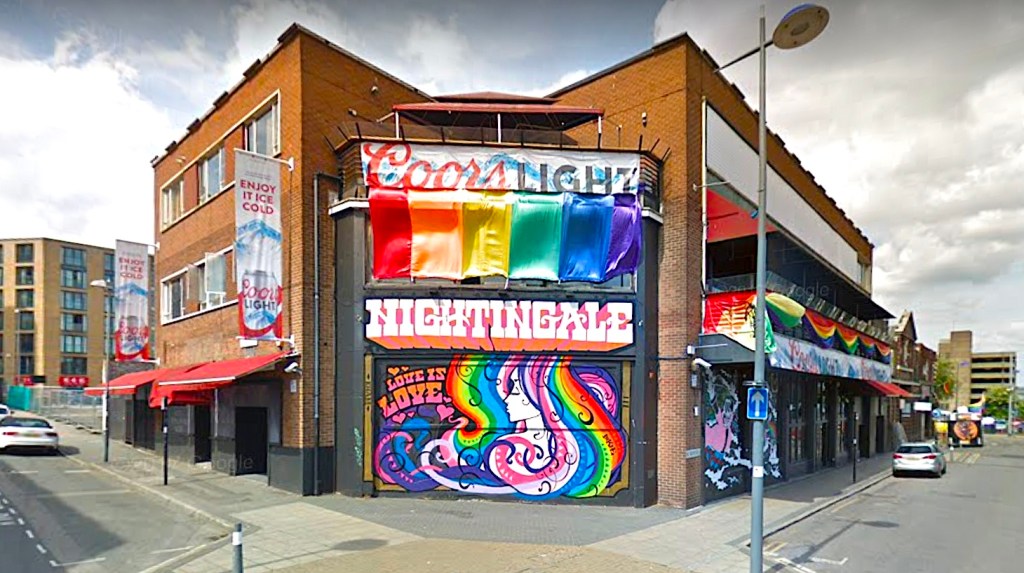
Here’s a couple of photographs of the entrances to the Nightingale in years gone by.
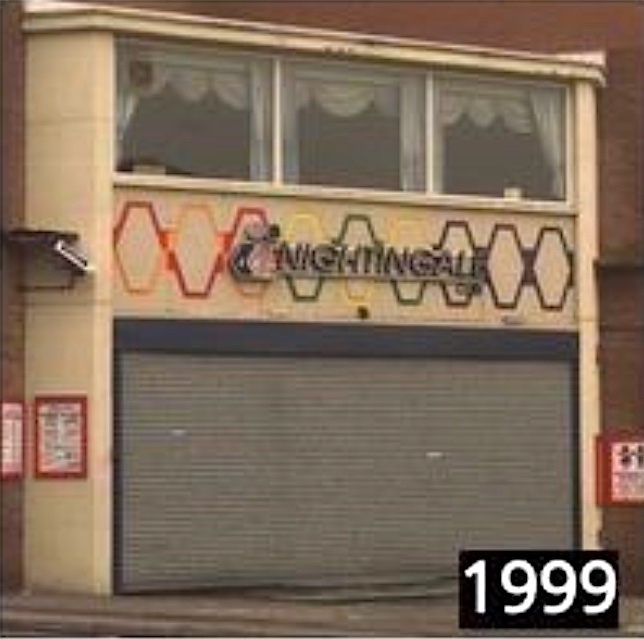
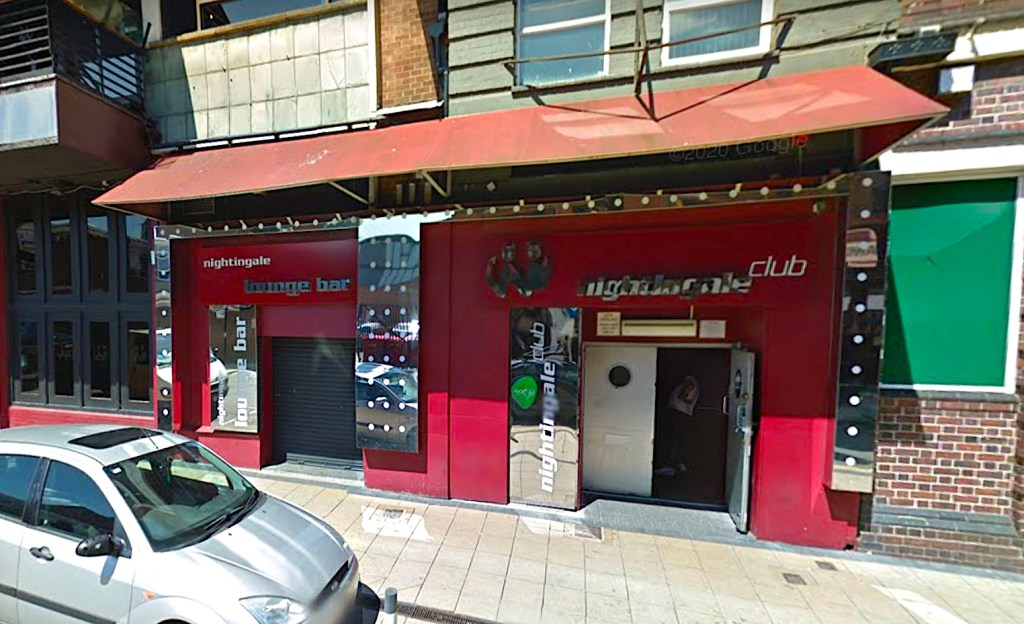
2012
We’ll move on now across Essex Street and along Kent Street past the factories and warehouses in the next block to cross Gooch Street, so that we can find our next “place of note” on the right.
~~~~~~~~~~~~~~~~~~~~~~~~
Kent Street Baths
This was the site of Kent Street Baths.

While the baths were opened in May 1851 they were not completed until 1852. The building was designed by DR Hill and was in close proximity to the town centre allowing the baths to receive a good amount of water, as The Lady Well is but a short distance away. It is probable that the baths had their own well to ensure a constant supply of water. The building contained first and second class swimming baths for men, first and second class baths for women, Turkish baths and laundry facilities.
Doubtless the residents in residential areas that had grown up around Kent Street were delighted, or amazed, by this new facility on their doorstep. Then in 1914 a women’s swimming baths and baths for women were opened in an adjoining building to the main building on Gooch Street.
In 1930 the buildings, excluding the women’s baths, on Gooch Street, were demolished and rebuilt with new facilities in a more modern style. The rebuilt baths contained a gala swimming bath, private baths, Turkish and Russian steam baths and complementing these there would be plunge pools. There were also offices and a repair and maintenance depot on the site. The building opened in 1933, and was designed by Hurely Robinson, to an art deco design.
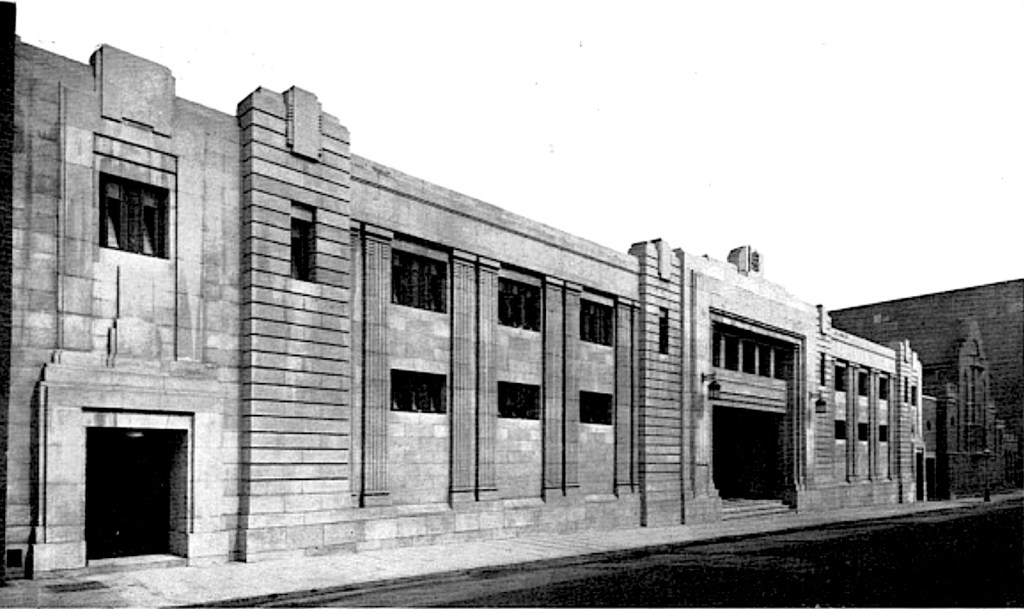
During a bombing raid in 1940 the baths suffered a direct hit, but were back in action again before long.

The November air-raids in 1940 were particularly severe. As local resident Jean Hill notes: “The raid lasted 13 hours. Twenty past six in the evening to half past seven in the morning. You never planned anything during the war, you just lived day to day”. Kent Street Baths were used as a shelter by people that night and many were killed as a consequence. Joan Chapman added a lighter note to the event: “One of the wardens came up the road saying he’s seen everything now – flying pigs… Some of the pigs from the abattoir were found on a roof after the raid, they had been blown up there from the force of the explosions ….. and were still alive”.
After being repaired, the baths operated, but closed circa 1960 as the cramped and aging housing in the area was demolished. It was targeted for demolition, however the front which was a superb example of a neoclassical facade warranted reprieve. The building then served as office space and working units known as Kent House until 2004.
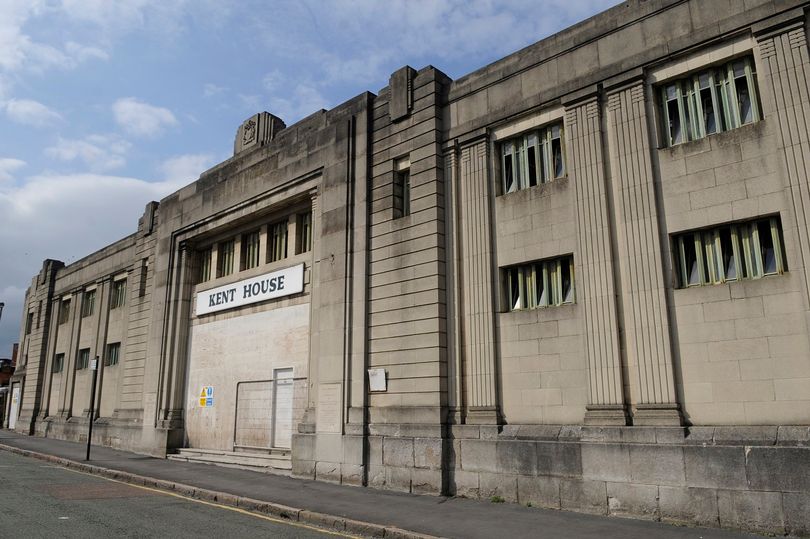
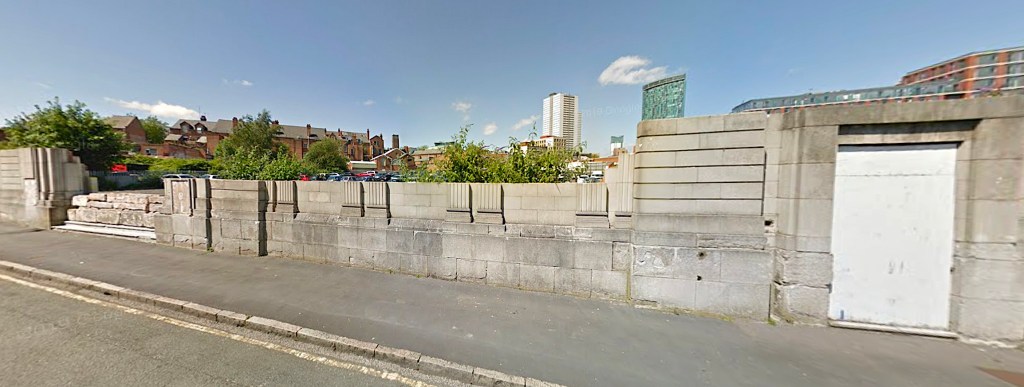
Kent House had lain empty from 2004 until 2009 when a new government ruling kicked in making rates payable on empty commercial property. Kent House was not listed so it became liable for business rates. The solution was to have it demolished. Up until about 2020, the front wall up to about five feet (1.5 metres) remained standing as a retaining wall for the open air car park that then occupied the site.
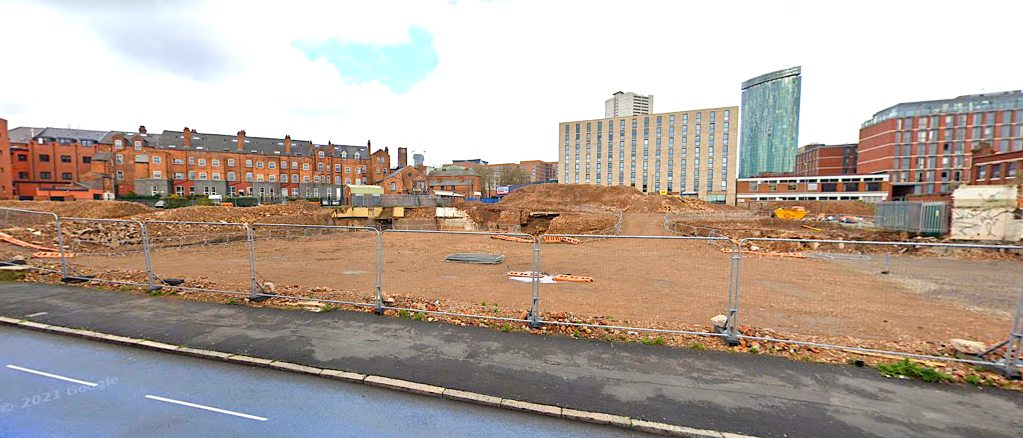
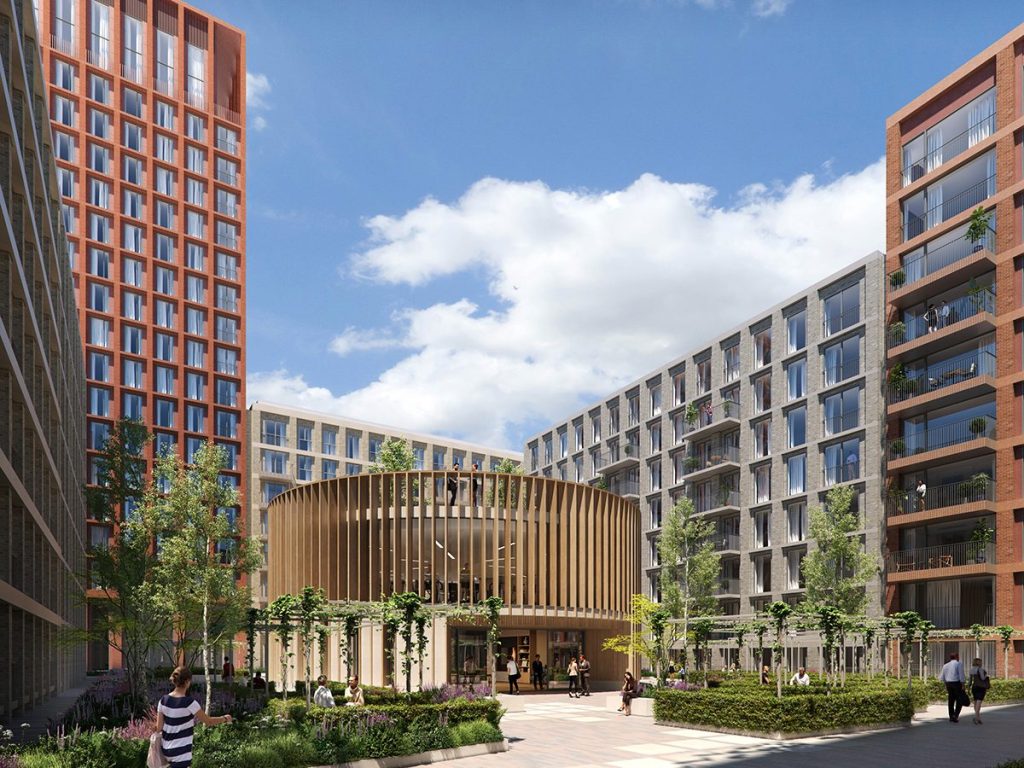
Work has now started on the Kent Street Baths site. These are the architects plans for the development:


 hurst-street.com