
Bishop Street
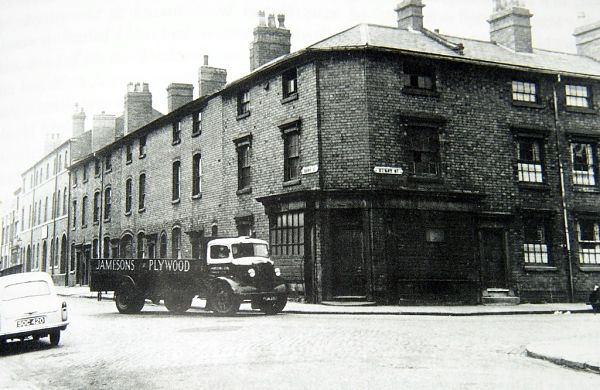
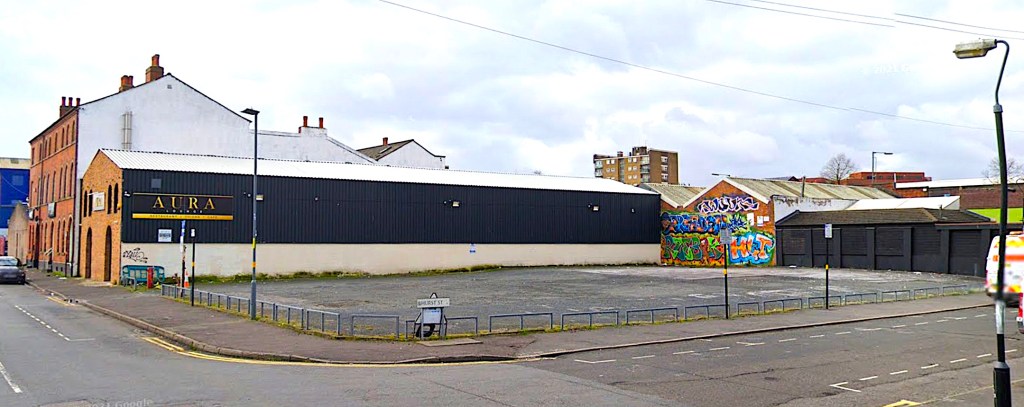
Once, on the corner of Hurst Street and Bishop Street stood a block of nineteenth century terraced houses, now demolished possibly in the sixties. The site on this corner of Hurst Street is now a rather nondescript car park.
At one time the line of Bishop Street was crossed by a man-made stream that was the mill-race for Asterisk’s Mill, or Lloyds Mill. The mill race was fed by the River Rea, not a significant waterway, but enough to get Birmingham’s fledgling metal bashing industry under way. The Lloyd family at one time owned the mill and went on to become the founders of Lloyds Bank. The Mill was at the heart of the fledgling industrial area that grew to become the beating heart of the town of Birmingham.
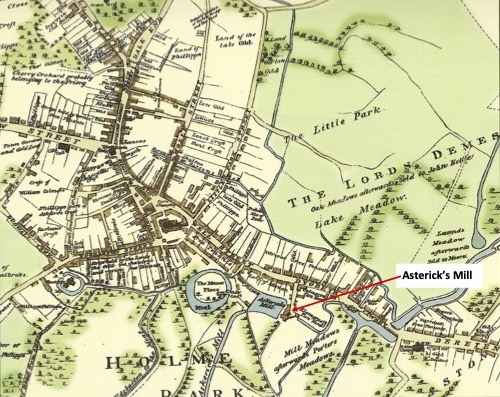
The mill race would have been filled in when the mill fell out of use and was demolished. From the end of Hurst Street we are just about 350 yards away from the bridge over the River Rea in Gooch Street.
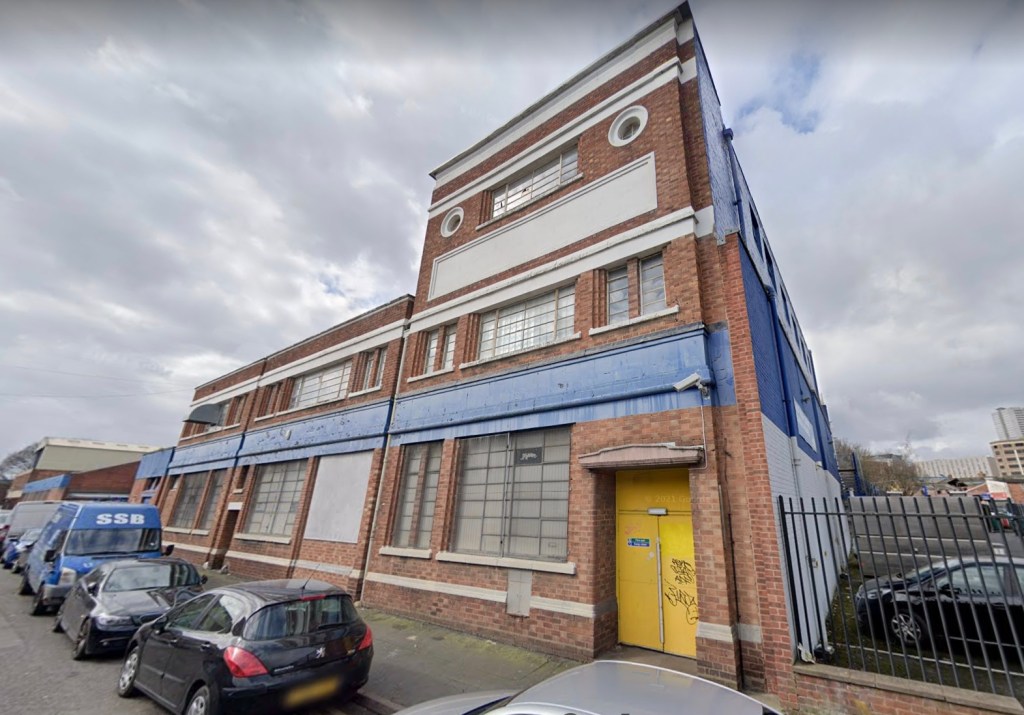
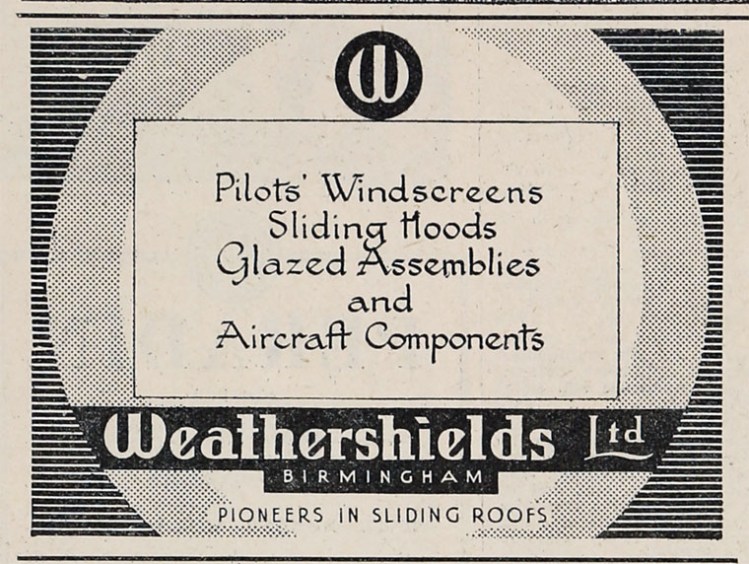
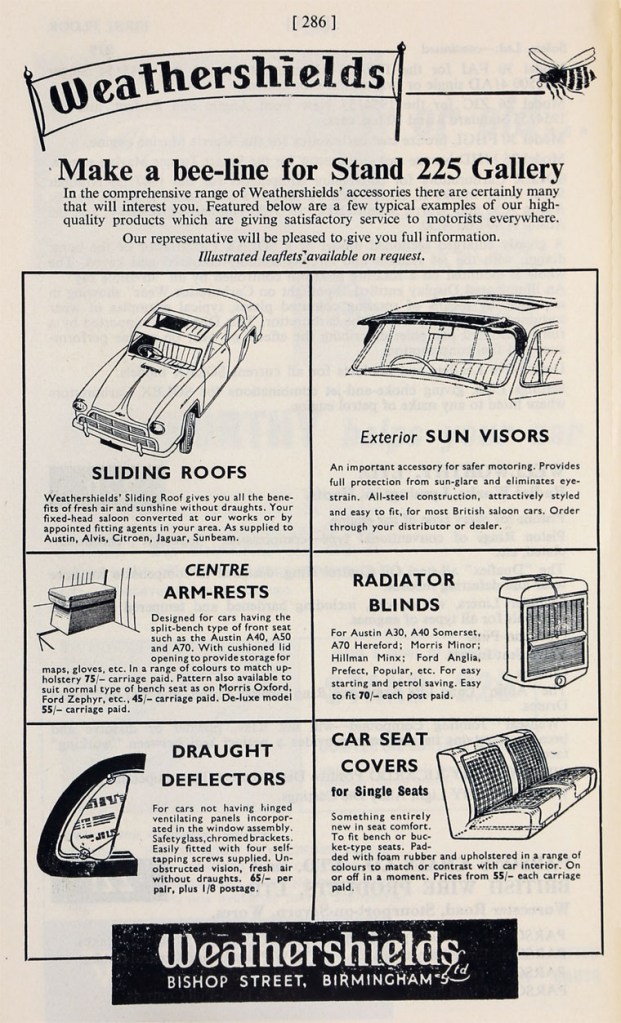
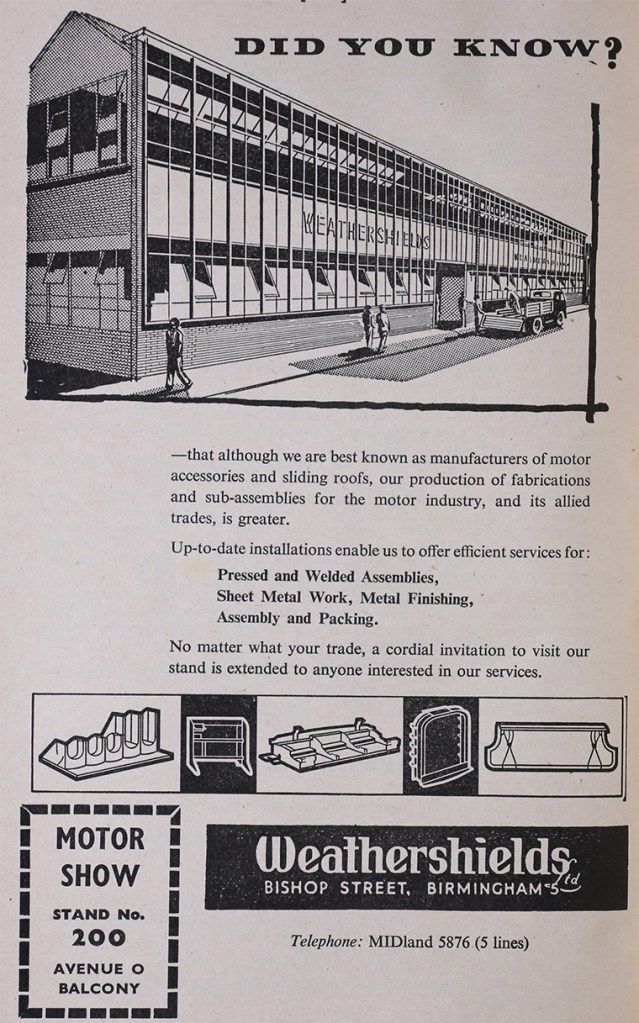
When the area was developed at the end of the 18th century and during the early 1800s Bishop Street was lined with over 30 courts of back houses, terraced houses and small factories. Gradually as the need for larger factories much of the residential property was converted or demolished to make way for the expanding businesses. Over the years many more properties made way for business premises and by the 1960s virtually the entire street had become factories and warehouses. Near to the southern end of the street a large factory labeled on the 1950 map as “Sheet metal Works and Motor Accessories”. This belonged to a firm called “Weathershields” who were a leading manufacturer of car seat covers, radiator muffs and mud flaps. They were best known for sliding roofs for cars and during WW2 for sliding hoods and windscreens for aircraft. The company were still expanding in line with the growth in car ownership in the 1950s & 60s, but were taken over by BSG (Bristol Street Group) in 1978. A portion of their Bishop Street factory is still standing and having a look of 1930s architecture, was probably their original offices.
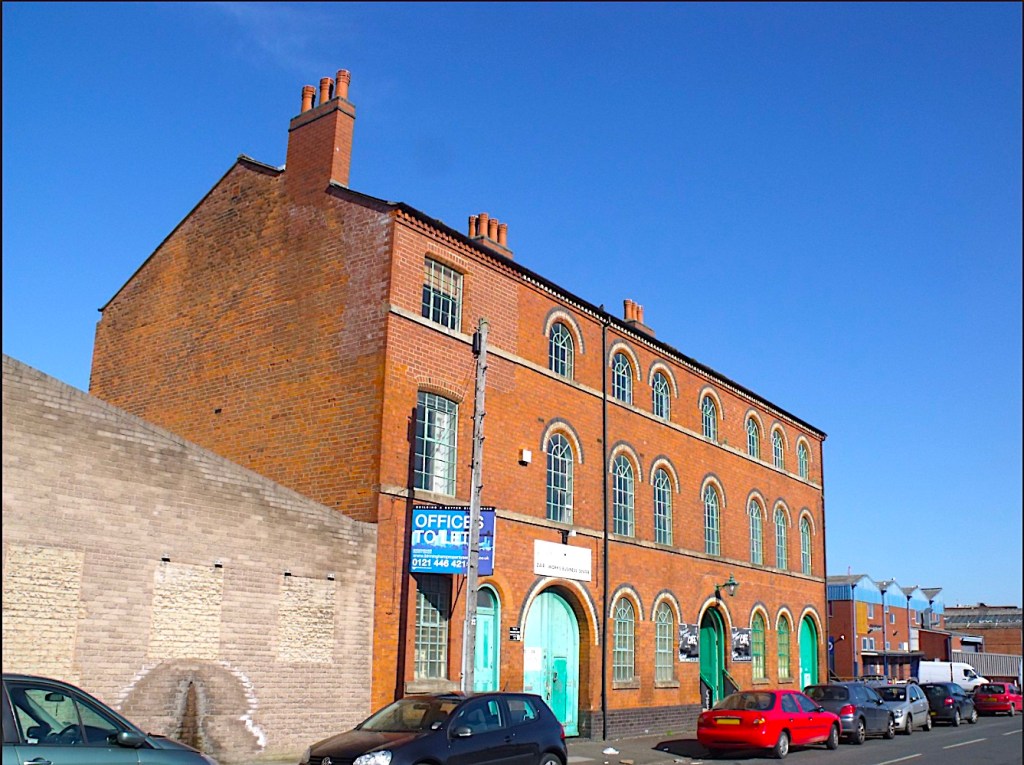
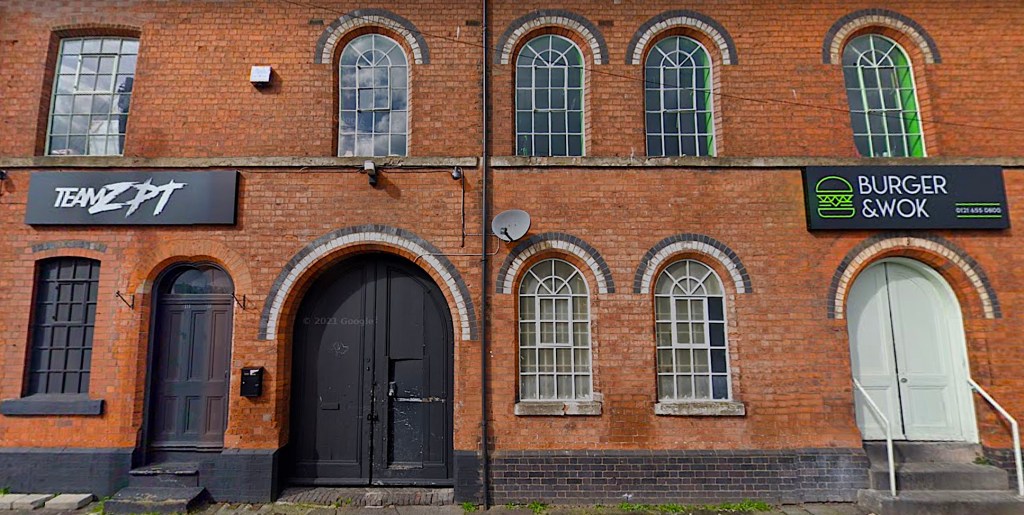
Another factory that has stood the test of time is nos 111-117 which is just visible to the left in 2021 photograph near the top of the page, taken from the corner with Hurst Street. On the map from 1889 the occupier is shown as a Whip Manufacturer, possibly very common at the end of the 19th century. However it comes as a surprise that they are still listed as trading in 1966! Their factory probably dates from late Victorian times and is still standing. The company was listed as George & John Zair – Whip Manufacturers. By 2011 it was being used as a business centre called Zair Business Centre and by 2021 it was home to a takeaway burger bar and a fitness centre (a certain mutual benefit there, I think!).
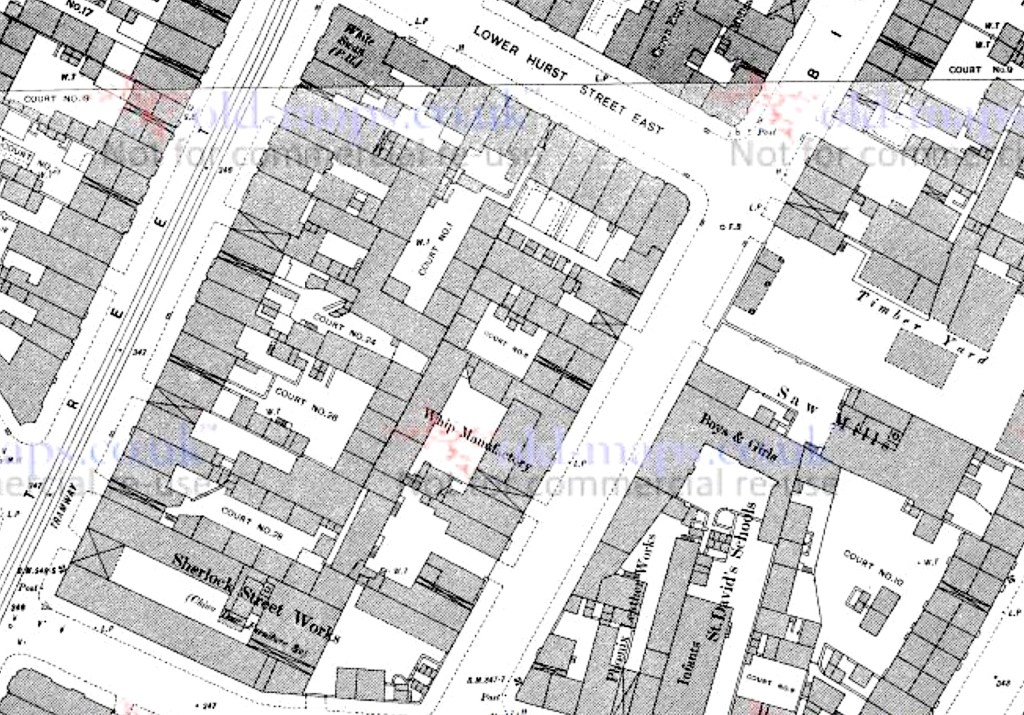
1889 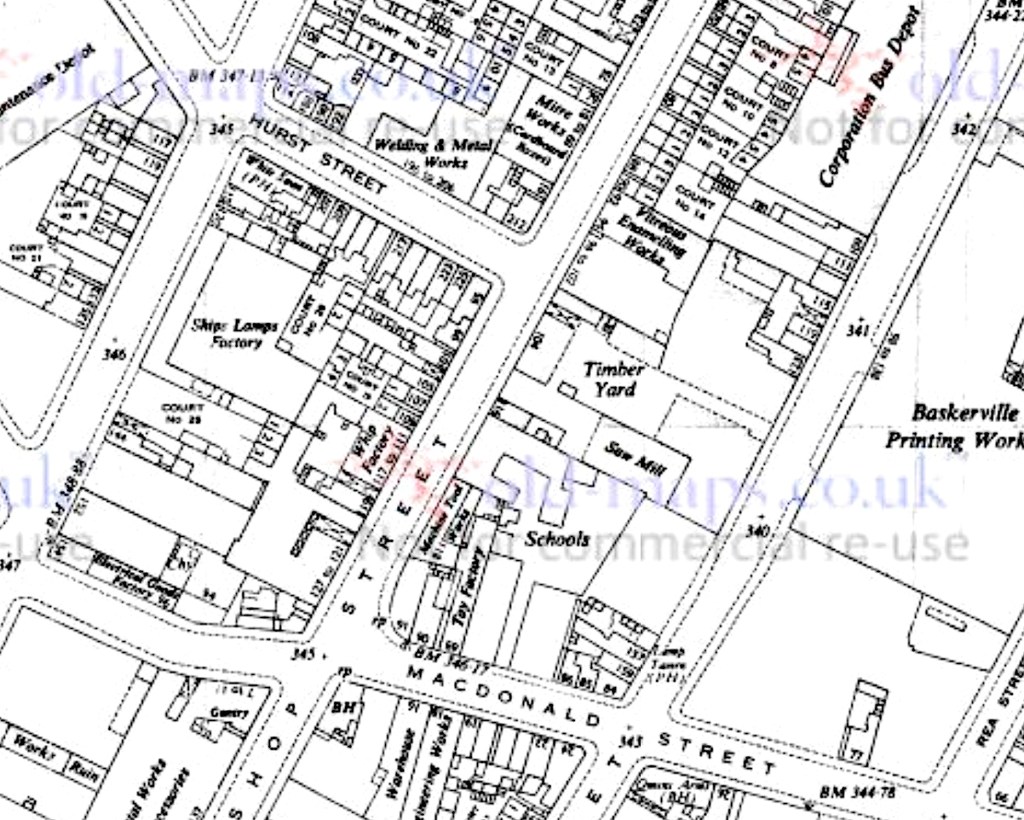
1950
Having spent a little time exploring Bishop Street, we can make our way back up the west side of Hurst Street to see what we can find at the corner with Sherlock Street.
 hurst-street.com