
Sherlock Street – The Jubilee Works
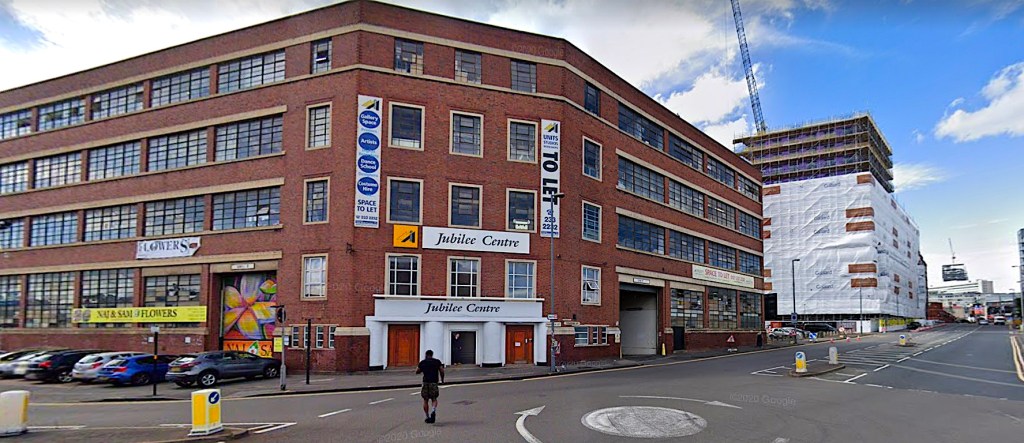
If we take the short walk from the Roebuck/Village down Hurst Street to the corner of Sherlock Street (a significant name in the area) we will find a large, four story building standing on the left. This was built around the 1930s for the company Fisher and Ludlow.
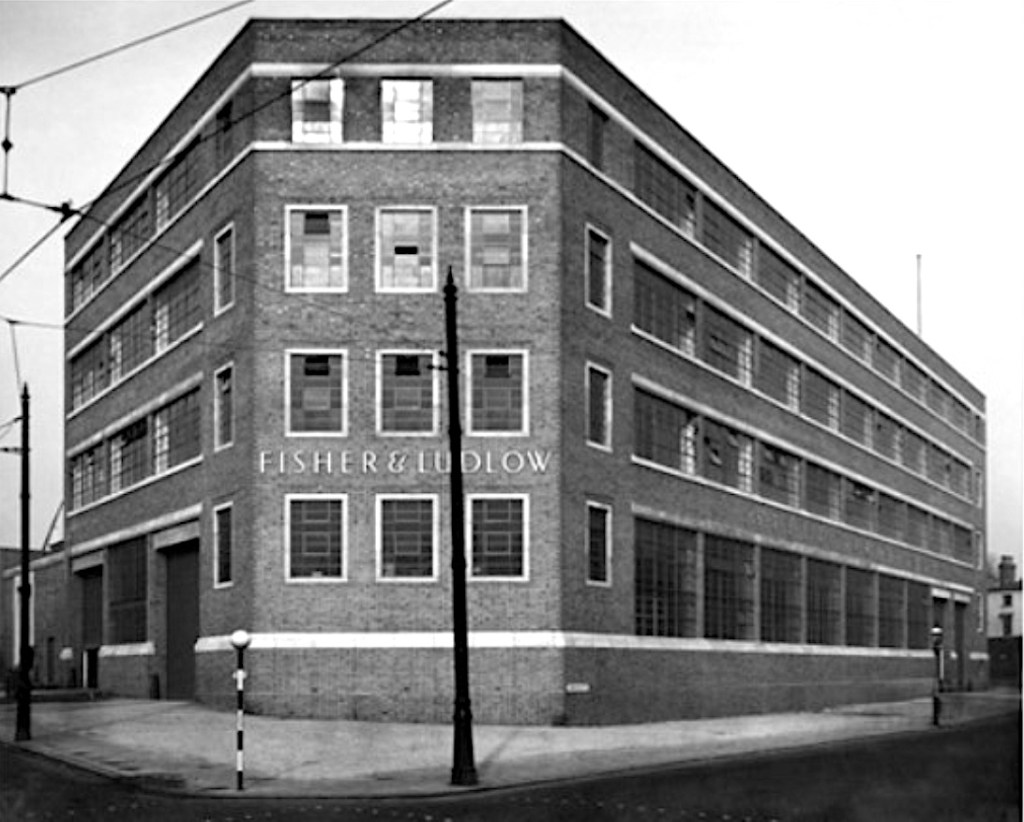
Fisher & Ludlow has its roots back in 1849 when Mr Fisher started making and selling “tinwares” in a small workshop, down an entry at 238 Sherlock Street, not far away from where we are standing, near to the junction with Gooch Street (another important name in the area). He was making pots and spouts for kettles. By 1880 he had formed a partnership with Henry Ludlow and the company expanded, making components for the military during the Boer War and the Great War. They went on to have several factories in the area, predominantly The Albion Works in Rea Street. By the 1920s they were engaged in making pressed steel panels for motor car bodies and this is when the factory in Sherlock Street was built. It became known as “The Jubilee Works” presumably following King George V’s Silver Jubilee in 1935.

By WW2 they were once again making components for the war effort. The company was deemed to be a major target for Luftwaffe bombers and the workforce were praised to getting the pressing machines working within hours of a raid which had often removed roofs and the walls of the factories. In fact we suspect that The Jubilee Works may have been a target when bombs were dropped on parts of Hurst Street in 1940.
By 1945 Fisher and Ludlow had fourteen factories dotted about all over Birmingham and the West Midlands, then they were encouraged to take over the huge 103 acre aircraft factory in Erdington that had been built to produce Spitfire fighters and Lancaster bombers. The staff were engaged in moving the company’s huge presses from elsewhere, and preparing the “new” factory for motor car body production. In the 1950s they were producing bodies for Standard, Triumph, Morris and Austin. In 1953 Fisher & Ludlow became part of the British Motor Corporation (BMC) and a regular sight on the Outer Circle Bus route in the 1950s & 60s were lorry loads of Mini bodies being transported to Longbridge.
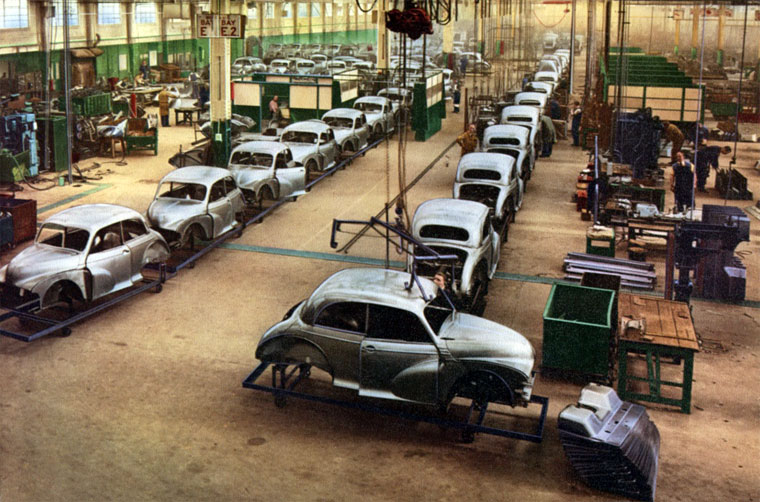

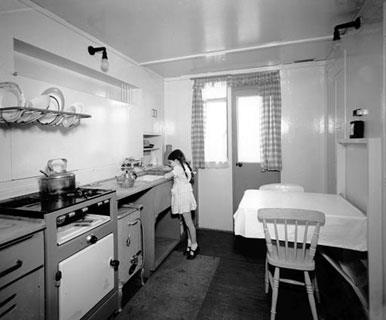
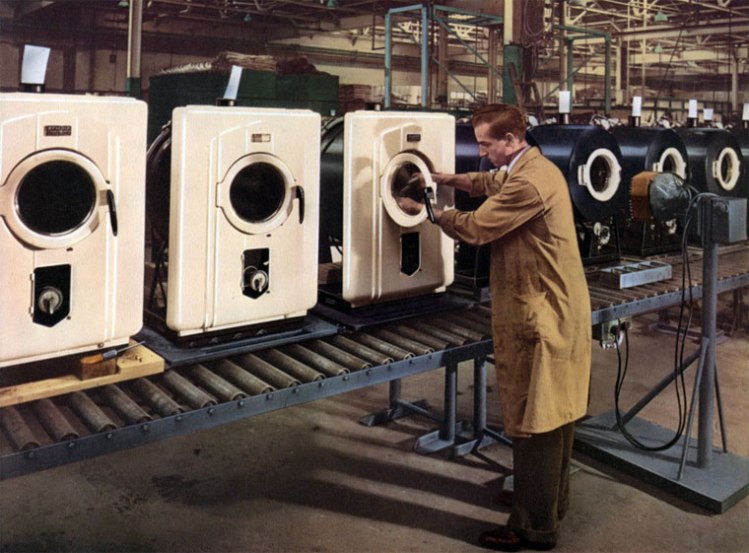
Not only were Fisher & Ludlow famous for their car bodies they made stainless steel items for kitchens such as sink units, they also produced “Bendix” washing machines under licence from Bendix in the USA. At the end of WW2 they were also called upon by the government to design and manufacture the steel fitted kitchens for the post war prefabs.

When Fisher & Ludlow moved to Erdington, The Jubilee Works were taken over by the General Post Office to refurbish telephones. The 200 and 300-type telephones, with bakelite bodies were ideal for refurbishing at a time when the growing demand for telephones was stifled by lack of materials and components for new ‘phones.

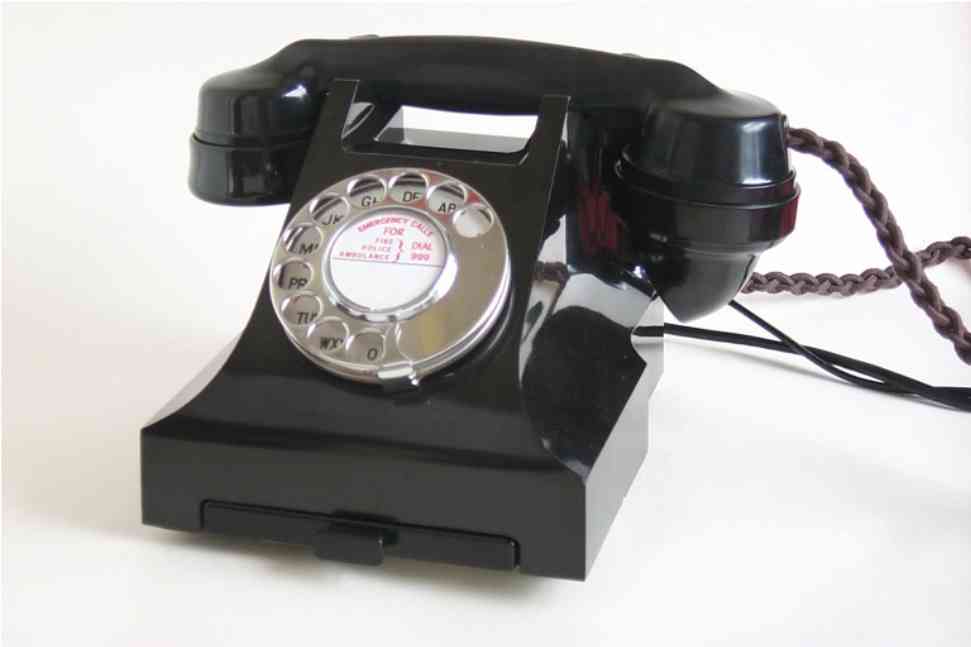
When the Post Office moved telephone repair and production to Cwmbran in South Wales the Jubilee Works was split up into small business units – and it is still there!
Today the building is called The Jubilee Centre and is managed by Midlands Industrial Association who rent out the spaces to businesses of all sizes on easy terms, this is so that small businesses are not stuck in a long term lease and can manage their cashflow better.
August 2020

 hurst-street.com