
The Roebuck, now The Village Inn
Overshadowed by the construction site and on the corner of Skinner Street and Hurst Street stands The Village, which is one of the longest established and most popular gay bars located in the heart of Birmingham’s LBGTQ Village.
This was originally known as the Roebuck, but it makes you wonder why the name Roebuck has been acquired for a hostelry in industrial Birmingham.
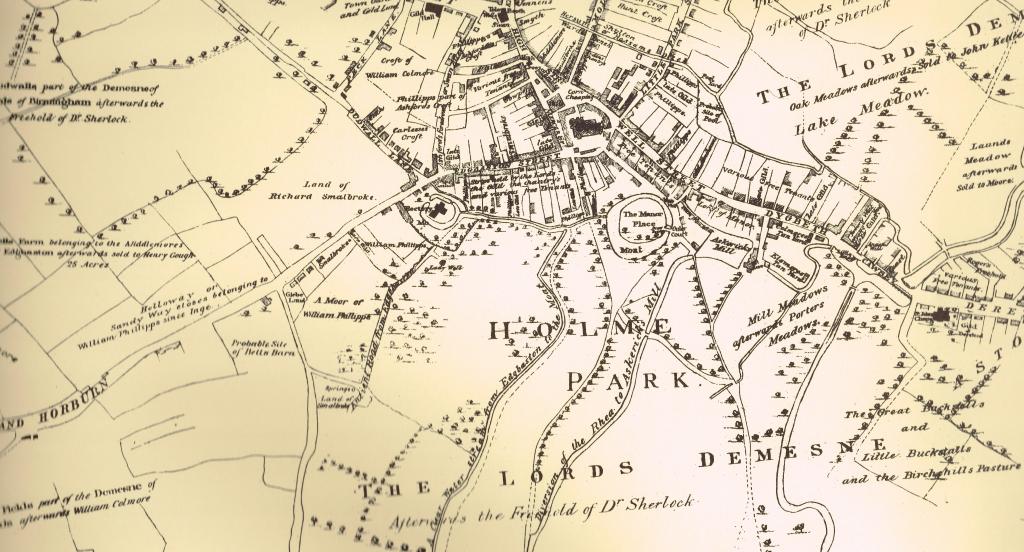
The map shows the land called Holme Park which was owned by the Marrow family, the Lords of Berkswell in 1553. Next to it can be seen the land owned by the Phillips family – they would later become the Inge family. Also in view are the names of Colmore and Dr Sherlock – more names that we are still are familiar with over 450 years later. Holme Park it seems may well have been used by the lords of the manor for hunting, and their quarry may well have been Roebuck.
Holme Park had become something of a market garden for Birmingham by the late 18th century. However, the land to the south-west was still open fields. By this time the former Holme Park and surrounding area held by the Marrow family had been acquired by Thomas Sherlock, the Bishop of London. He was something of a speculator and bought the land in 1730. The estate was later bequeathed to Sir Thomas Gooch of Benacre Hall, Suffolk.
It was Sir Thomas Gooch, the third baronet, who started to develop the area, naming many of the streets after his family or parts of the country that were of significance to them – hence Gooch Street, Sherlock Street, Benacre Street and Suffolk Street. Hurst Street was first developed in the late 18th century. Gradual expansion down the road led to the laying out of Lower Hurst Street, beyond the line of Bromsgrove Street. The Gooch archive collection reveals that the first 99 year lease agreements for the newly built properties in Lower Hurst Street date from 1834. The Roebuck is the only surviving Lower Hurst Street building from this period.
Built during the reign of King William the Fourth, the first recorded licensee of the Roebuck Inn is John Green. He appeared in an 1838 rate book for St Martin’s Parish as the occupier of No 65 Lower Hurst Street. He moved from a “beer house” in Bread Street to the newly built premises for which the annual ground rent was £22.10s.0d. He paid the rates of £1.2s.6d. Although the occupier of the public house, John Green was not the first owner of the building. John Harford is shown in the rate book as the man who leased the site of the Roebuck Inn from Sir Thomas Gooch.
Lower Hurst Street originally ran from the junction of Bromsgrove Street down to Sherlock Street. However, in 1898 year it was joined with Hurst Street and the numbering changed, so The Roebuck Inn, formerly No 66, became No 152.
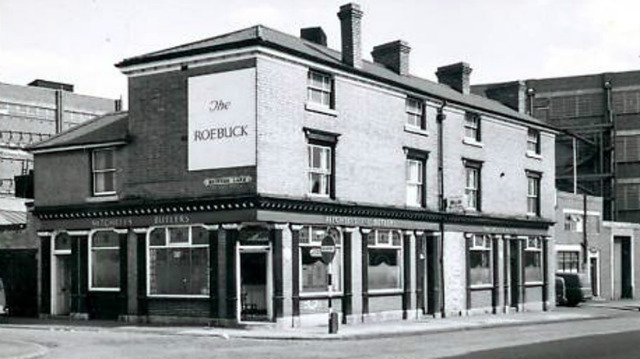
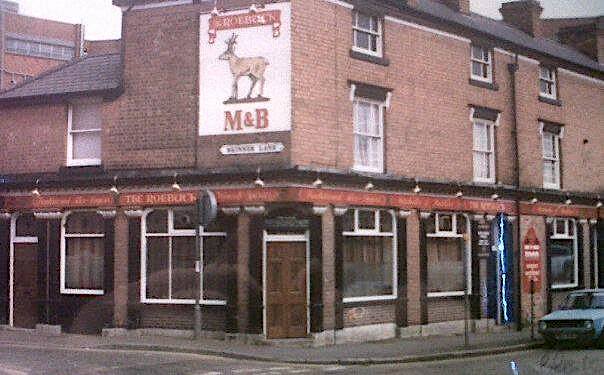

2008 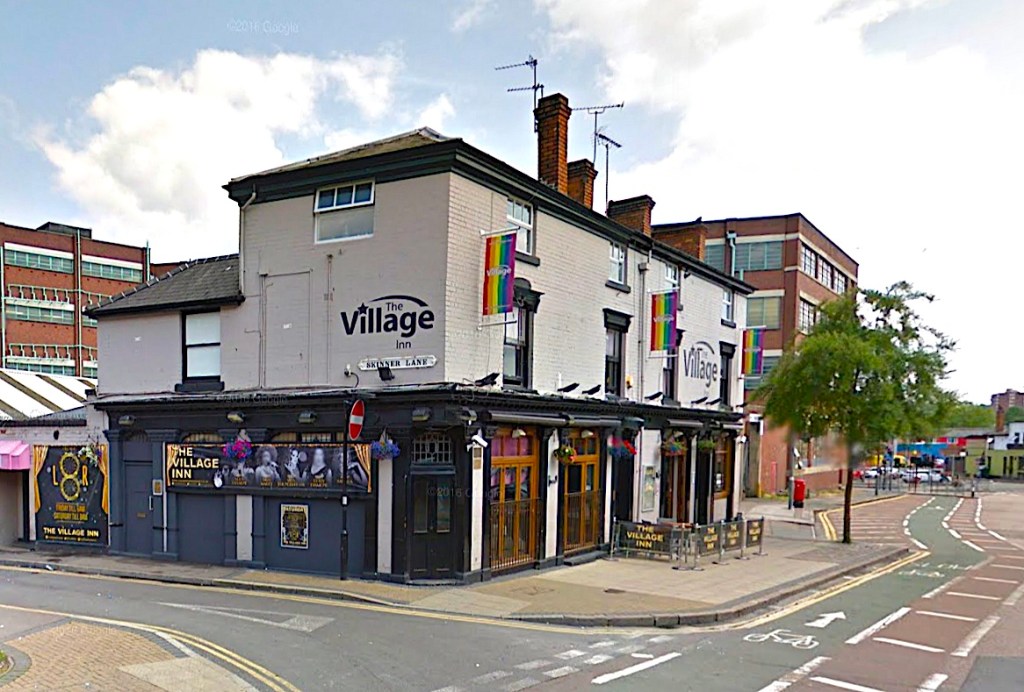
2015
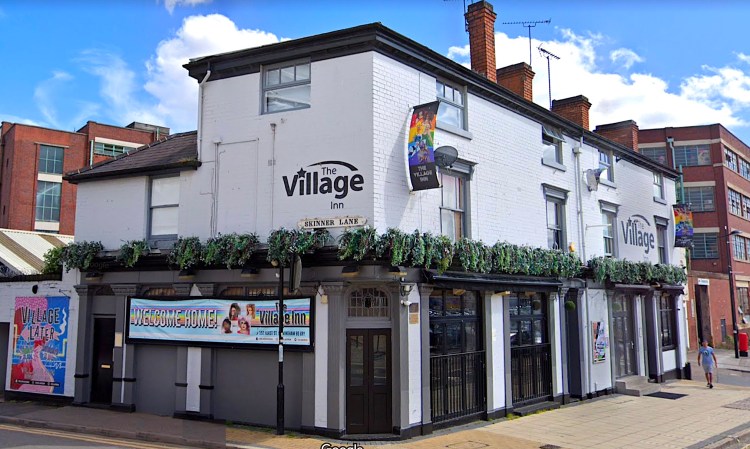
2020
Towards the end of the 20th century as the gay area around Hurst Street developed, the Roebuck adopted the “Village Inn” name. Doubtless this spread from New York where the gay scene was spearheaded by the Village People, a gay vocal group with their string of top ten hits led by the song “YMCA” in 1978. The “Village” was actually Greenwich Village in new York where the first gay communities were created.
 hurst-street.com