
The Birmingham Gay Village and LBGTQ District
The Birmingham Gay Village is an LGBTQ district next to the Chinese Quarter in Birmingham city centre, centred along Hurst Street, which hosts many LGBT-friendly businesses. The village is visited by thousands of people every week and has a thriving night life featuring clubs, sports bars, cocktail bars, cabaret bars and shops, with most featuring live entertainment including music, dancing and drag queens. The area expanded from just the Nightingale Club and Windmill bar in the 1980s, to multiple bars and venues in the surrounding streets, with the area first curtained off from the rest of the city by the Smallbrook Queensway section of the Inner Ring Road. This took place in the 1950s, when the area was a little warehouse district with a few small businesses. The area was expanded in the 1980s when land to the east of Hurst Street was cleared for the building of the Arcadian Centre, with the only surviving buildings being that of The Fox and Australian Bar (Missing). The Gay Village finally took its form in the 1990s after the number of venues increased and gave the area more of a boundary, while the increasing number of bars resulted from an increasing number of customers and amount of diversity offered.
The starting point for unhindered growth of the gay village was the partial decriminalisation of gay sex between consenting males with the Sexual Offences Act 1967. A victory for gay rights and a reflection of attitudes changing towards gay people, the act became a springboard for a gay liberation movement in Birmingham and countless lesbian and gay organizations were created over the following decades to challenge attitudes.
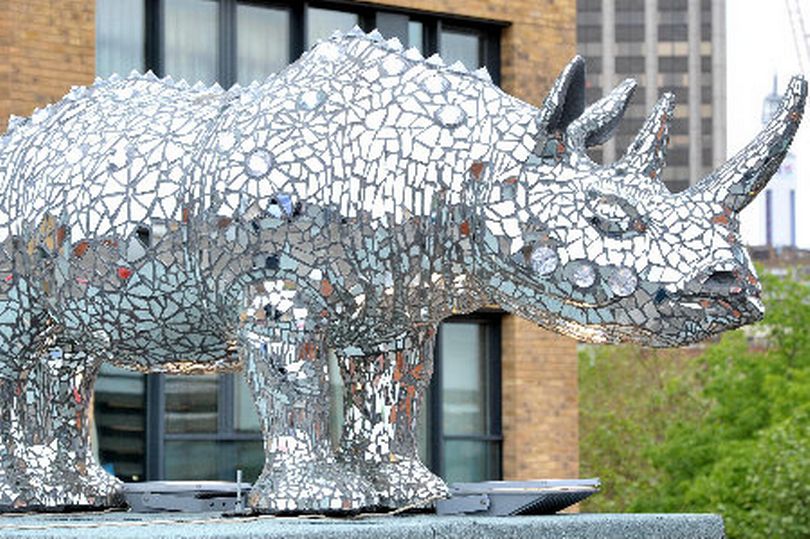
The Rhinestone Rhino stands atop a roof at the junction of Hurst Street and Bromsgrove Street at the entrance to the Southside, Gay Village, Chinatown and Theatre District.
The project is a joint collaboration between the City Council, Birmingham Lesbian Gay Bisexual and Transgender community, GB Training Ltd and the Southside Business Improvement District (BID). Three artists were commissioned to design and create the rhino: Emma Butler, Vikki Litton and Robbie Coleman, and it cost £15,000, with £10,000 of that coming via a city council grant.

When it comes to Birmingham gay bars and clubs, minds naturally wander to the growing scene centred around the Gay Village in Southside. Encompassing the Nightingale Club (still a top-rated destination in town) and the Windmill bar in the 1970s, the area has now expanded to include venues of all sorts – from cabaret clubs to cocktail bars and different kinds of shops. . An assortment of the gay bars and clubs in and around Hurst Street are, The Nightingale, The Village Inn, The Loft Lounge, The Sidewalk, Missing, Boltz, Club Jester, Eden, The Equator Bar, The Chic Nightclub, and The Fox.

The Nightigale 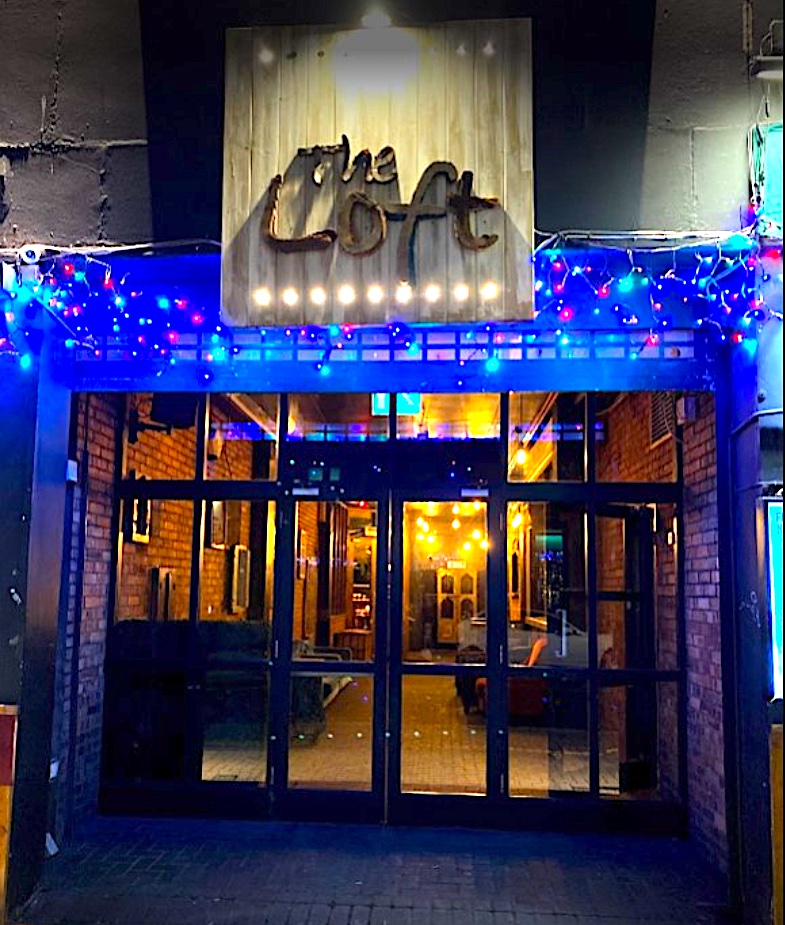
The Loft
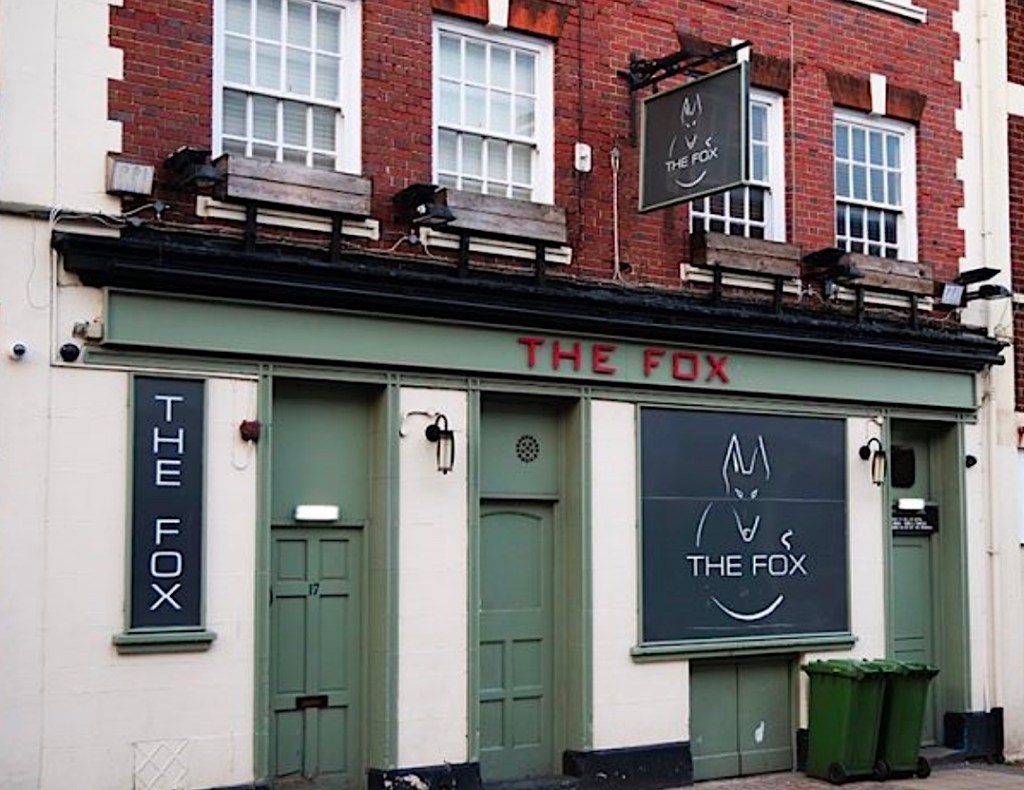
The Fox Nightclub 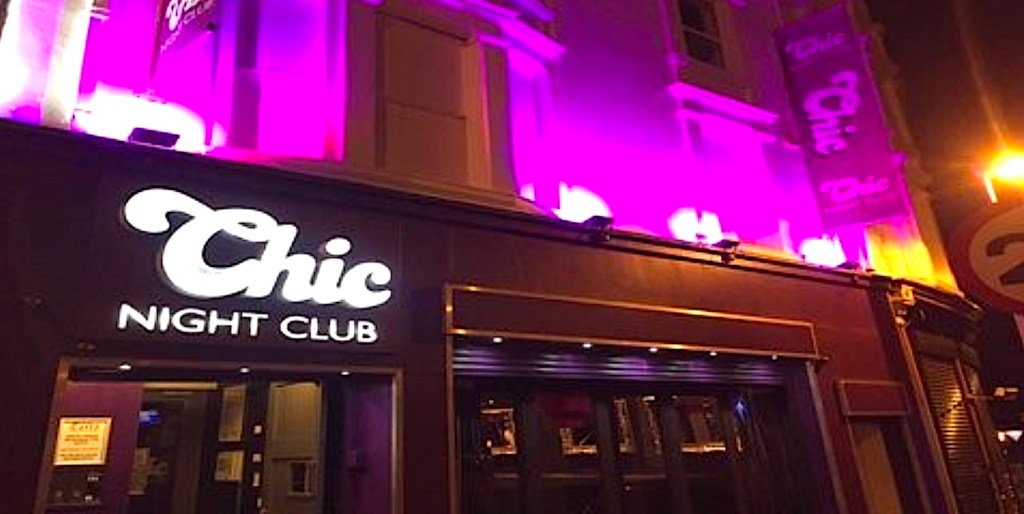
Chic 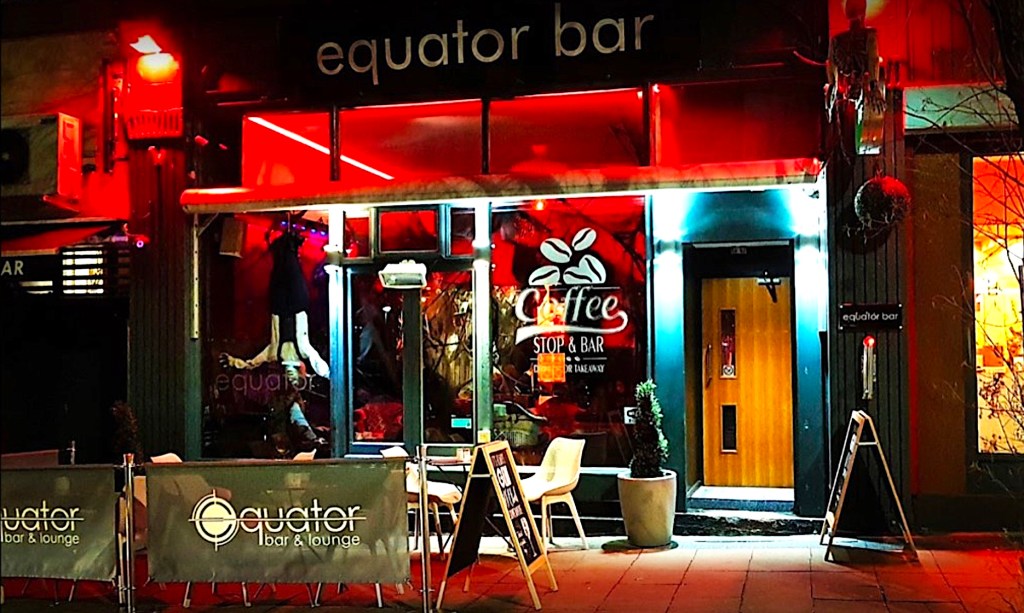
Equator
Birmingham Pride
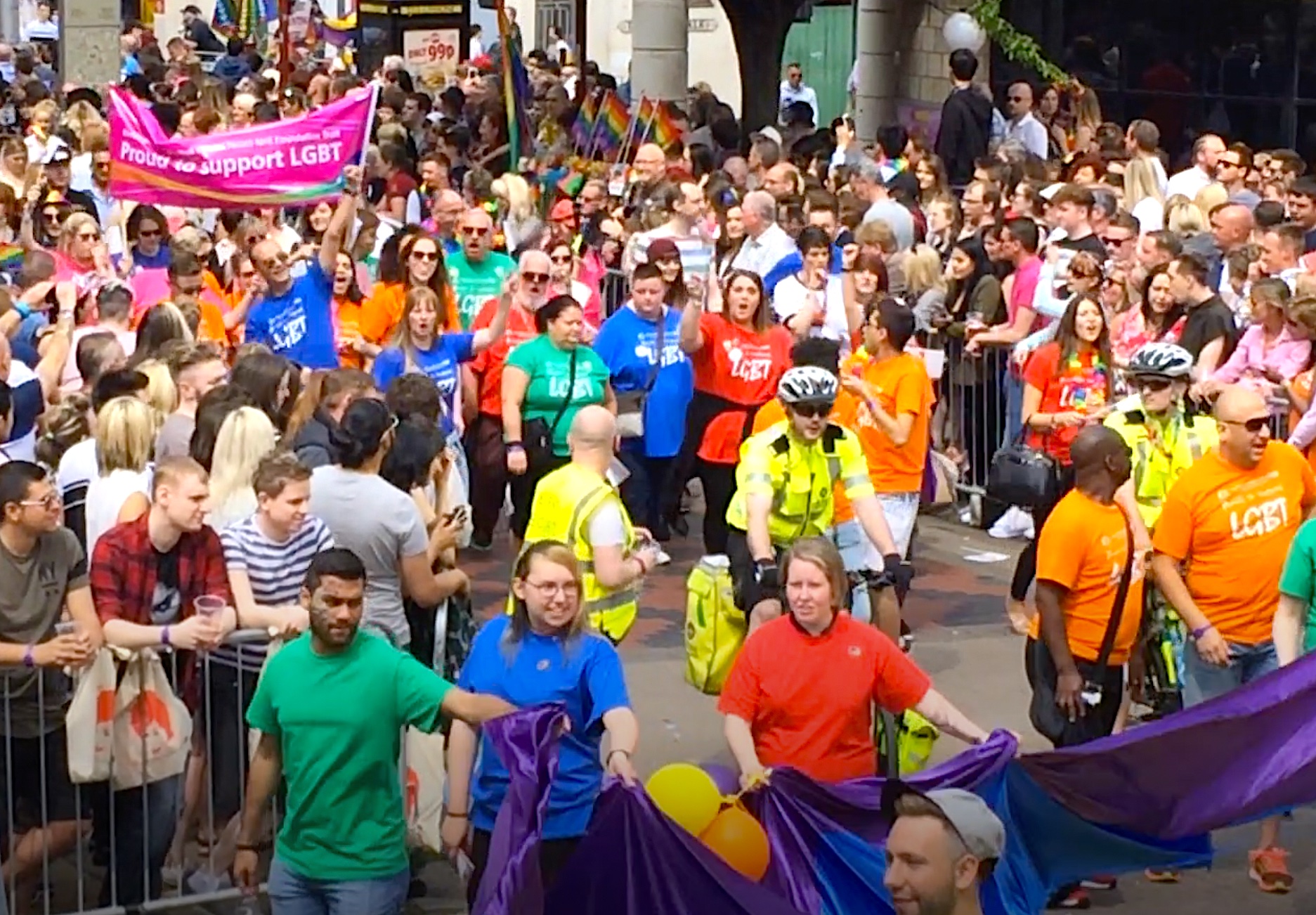
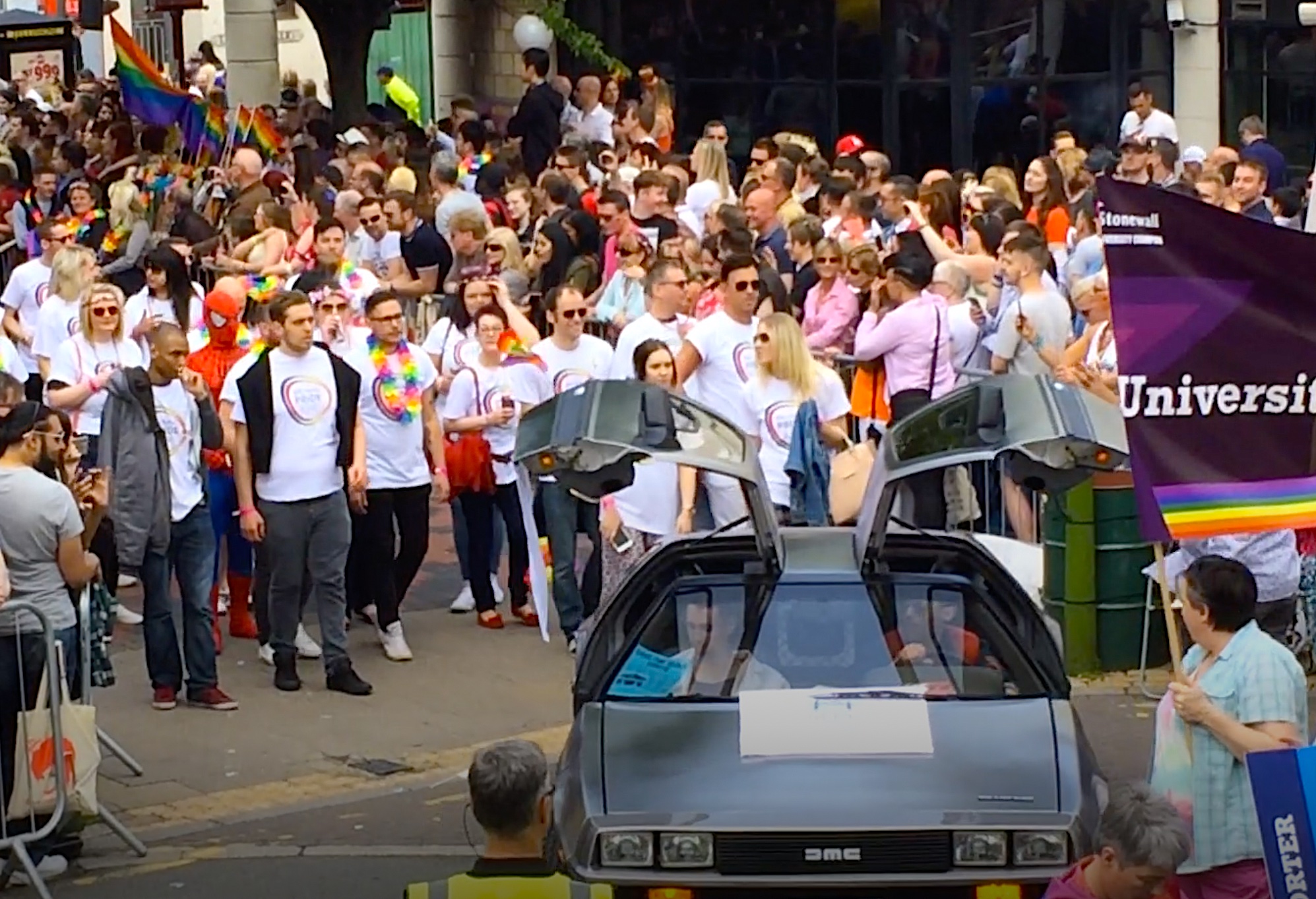
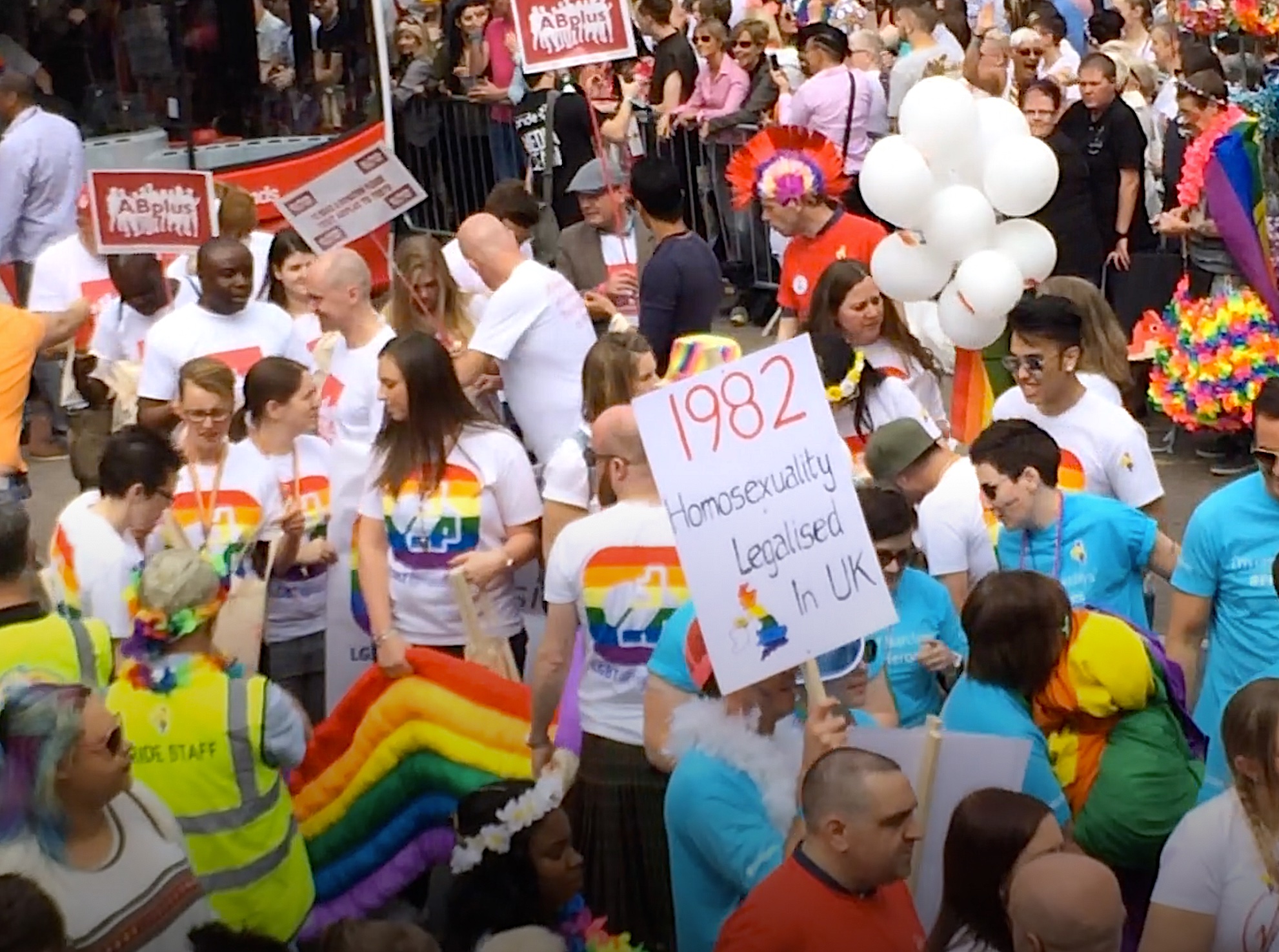
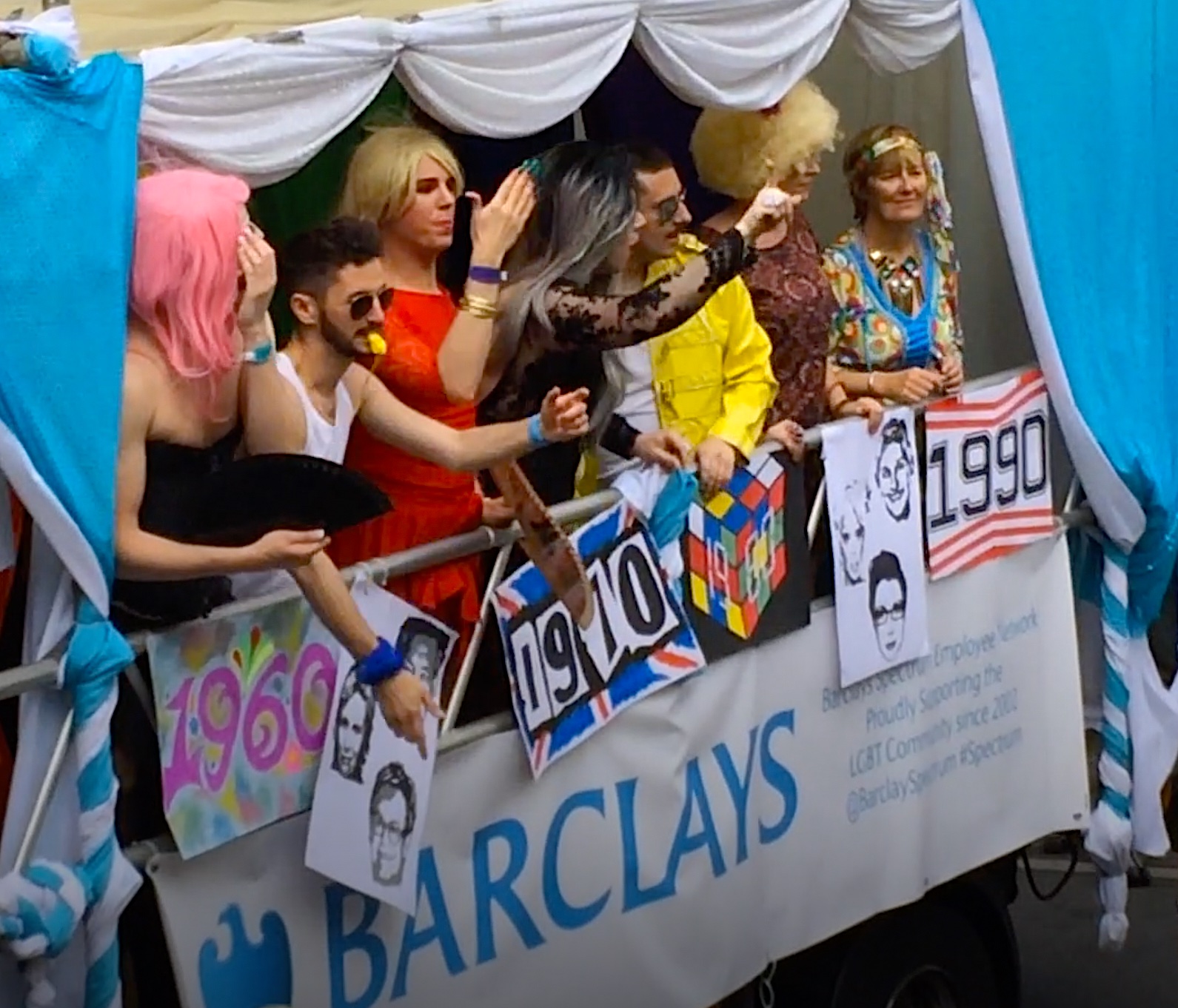
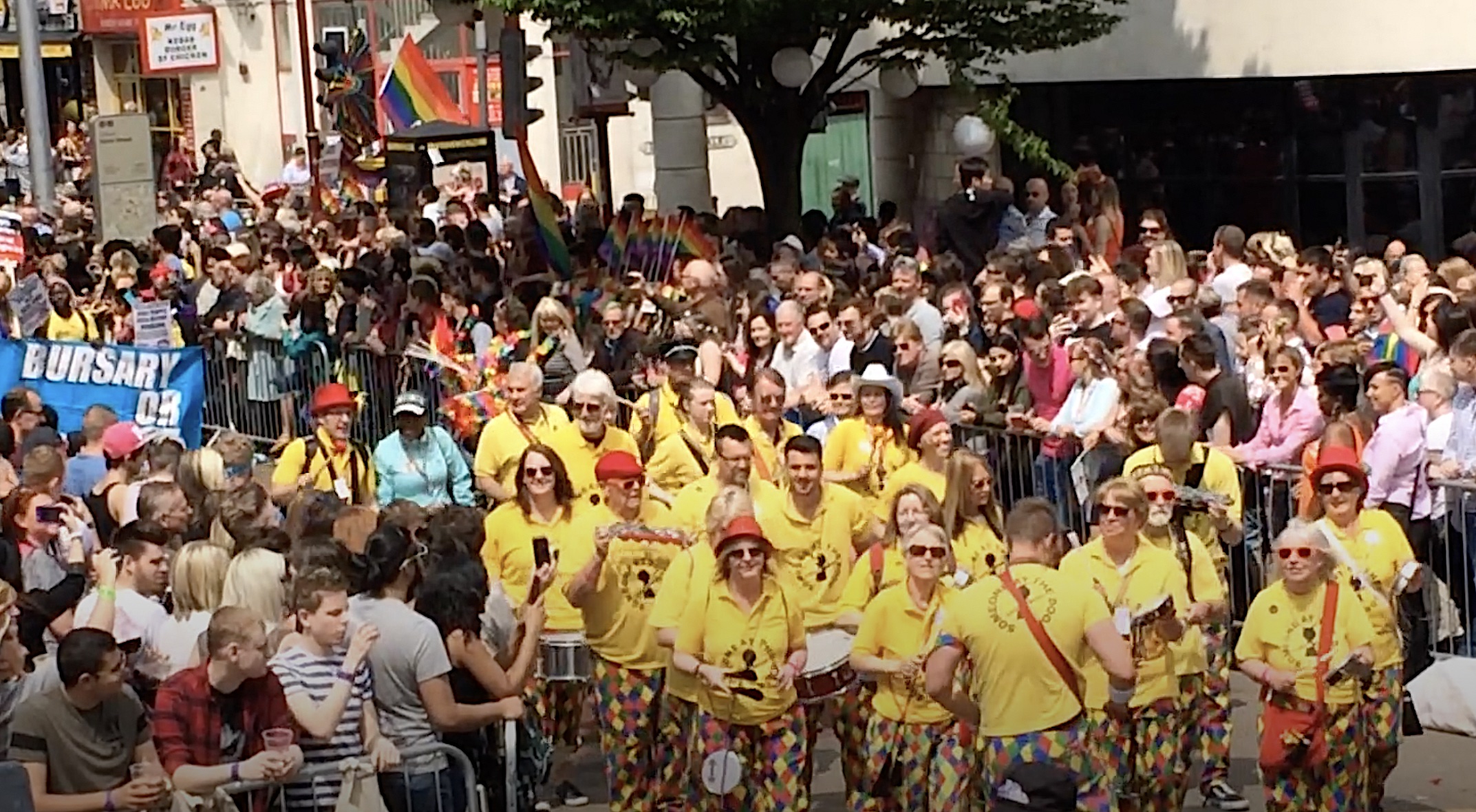
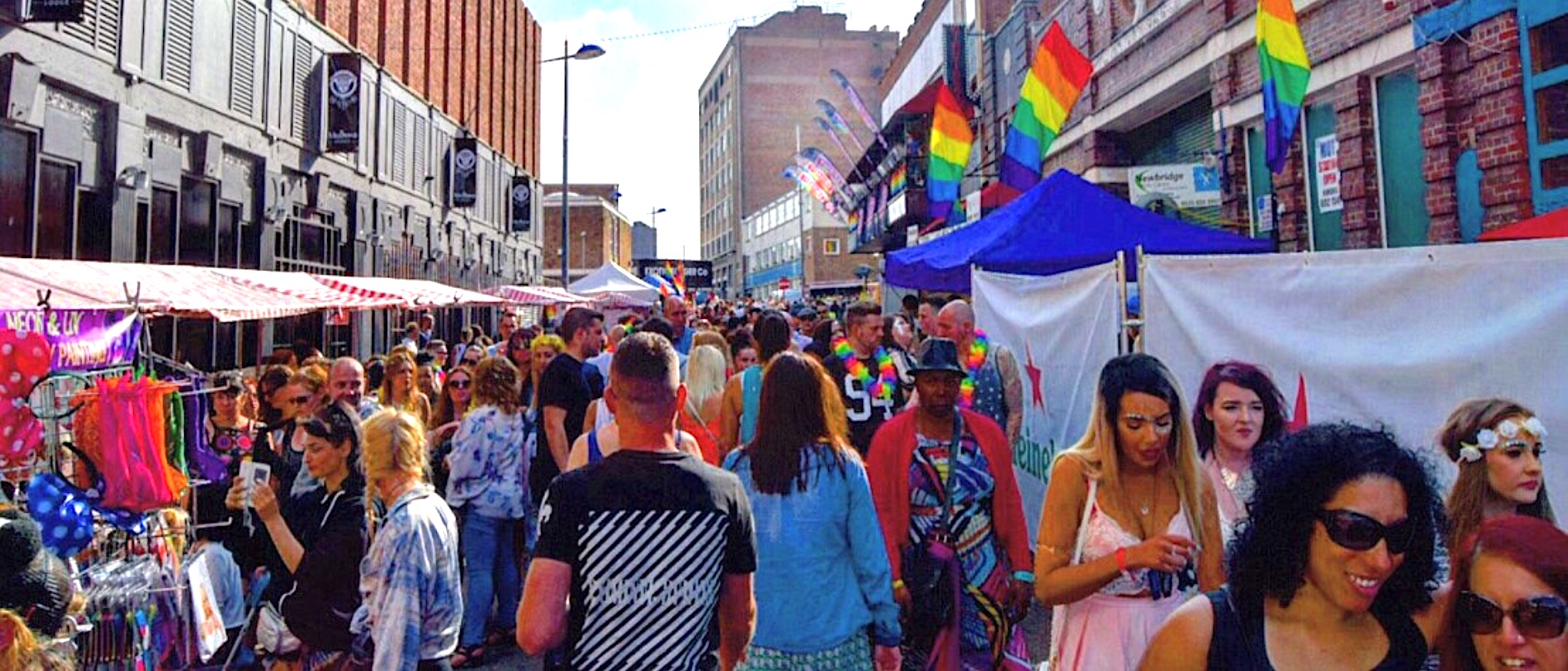
Annually over the Spring bank holiday weekend upwards of 70,000 people flock to the area for Birmingham Pride, mainly centred in and around Hurst Street. Birmingham Pride was the largest free Pride event in the UK. Usually there are entertainment acts, market stalls, fairground attractions and a parade, and in 2012, charges were introduced for access to the entertainment marquees, tents and certain areas of some bars. In the following year, the charge was expanded to include entrance to the Gay Village.
The first Birmingham Gay Pride Weekend took place on 8–9 July 1972, one week after the first London Gay Pride Week, itself the first Gay Pride Rally to take place outside the United States. Although “hastily arranged and not very well conceived”, the Birmingham event featured dances, two “Gay Days” in Cannon Hill Park and a march up New Street from the Bull Ring, culminating in a small rally on the steps of Birmingham Town Hall. According to one of its organisers “Our aim was to announce ourselves and let Birmingham know gay people were here: ‘Here we are and here we’ll stay’” Two or three further such events were organised by Birmingham Gay Liberation Front until the organisation declined in the mid 1970s.
Annual gay festivals in Birmingham resumed in 1983 with the first “Five Days of Fun”, originally known as “Gay Brum”. Unlike the 1970s Pride weekends and the earlier “Gay Days”, Five Days of Fun was not intended as a political statement but as a social event and celebration. Daytime and evening events would take place throughout the city’s main gay bars and clubs in the village – culminating in an It’s a Knockout competition between teams of the venues’ staff, held in the garden/swimming pool at The Grosvenor House Hotel, Hagley Road, Edgbaston.
Most of the following photographs were taken at the Gay Pride event on the 28th of May 2016.




 hurst-street.com