
Thorp Street
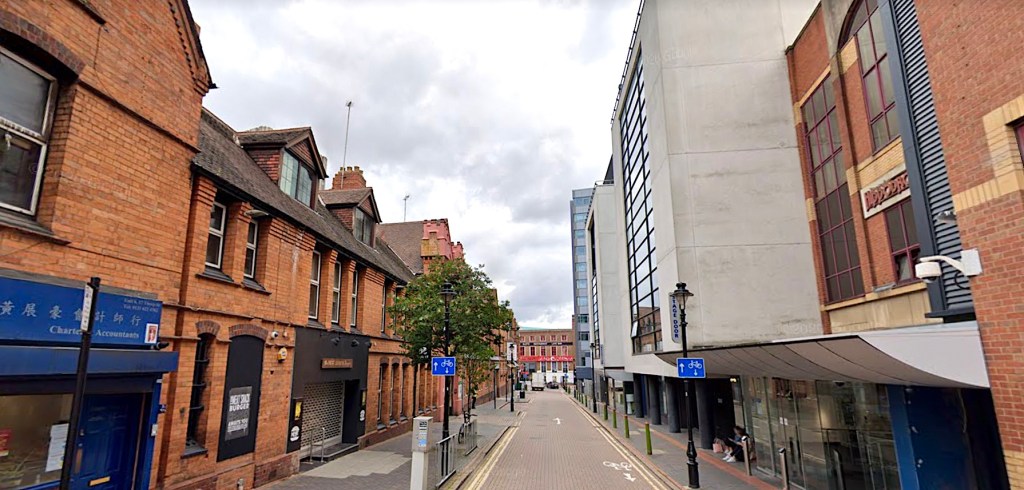
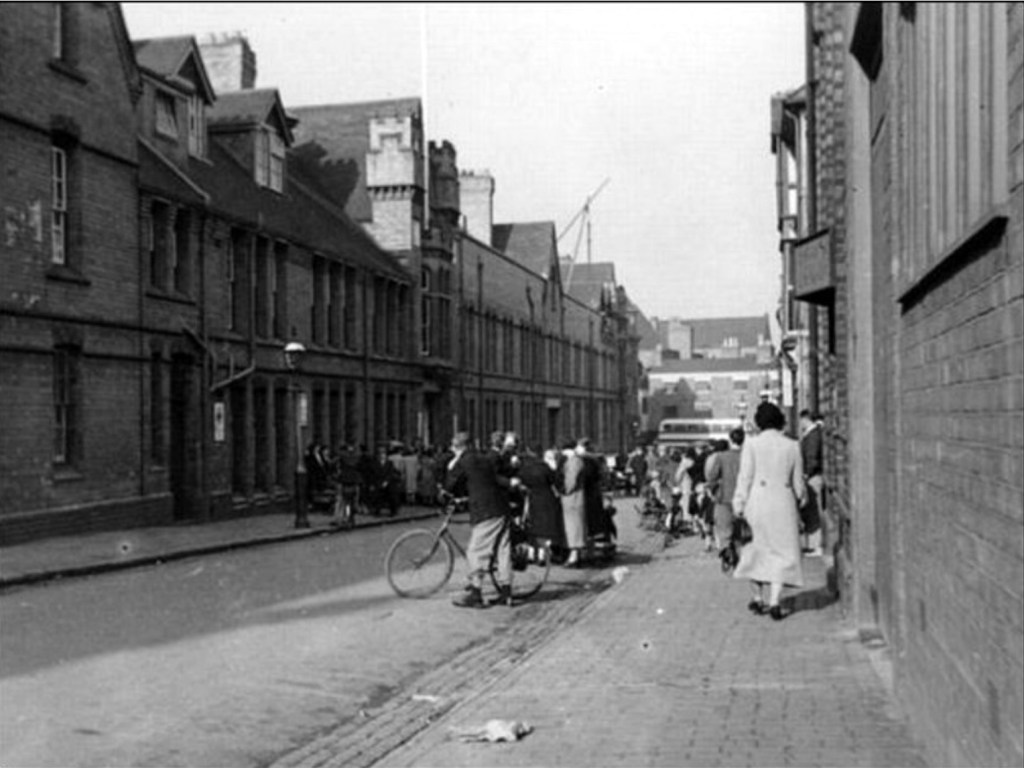
Having crossed the road from the BRB/Hippodrome building we’ll find the Thorp Street Drill Hall which was designed by Frank Barlow Osborn as the headquarters of the 1st Volunteer Battalion, The Royal Warwickshire Regiment and was completed in 1881.
This battalion split to become the 1st & 2nd Battalions of the Birmingham Rifles in 1891 and evolved to become the 5th & 6th Battalions of the Royal Warwickshire Regiment in 1908. The two battalions were mobilised at the drill hall in August 1914 before being deployed to the Western Front.
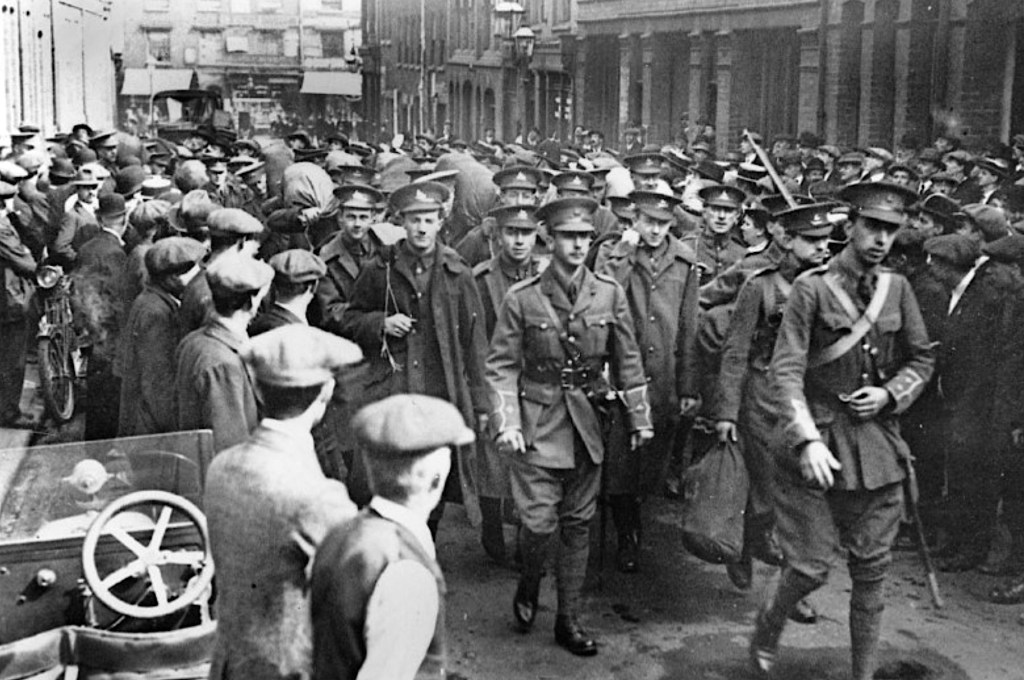
The 1/16th Warwicks Territorials leaving Thorp Street Drill Hall in 1914
In 1936, both units converted into anti-aircraft battalions, the 5th battalion as the 45th (The Royal Warwickshire Regiment) Anti-Aircraft Regiment & the 6th Battalion as the 69th (The Royal Warwickshire Regiment) Anti-Aircraft Regiment. While the 45th Regiment remained at Thorp Street, the 69th Regiment moved to Brandwood House in Kings Norton
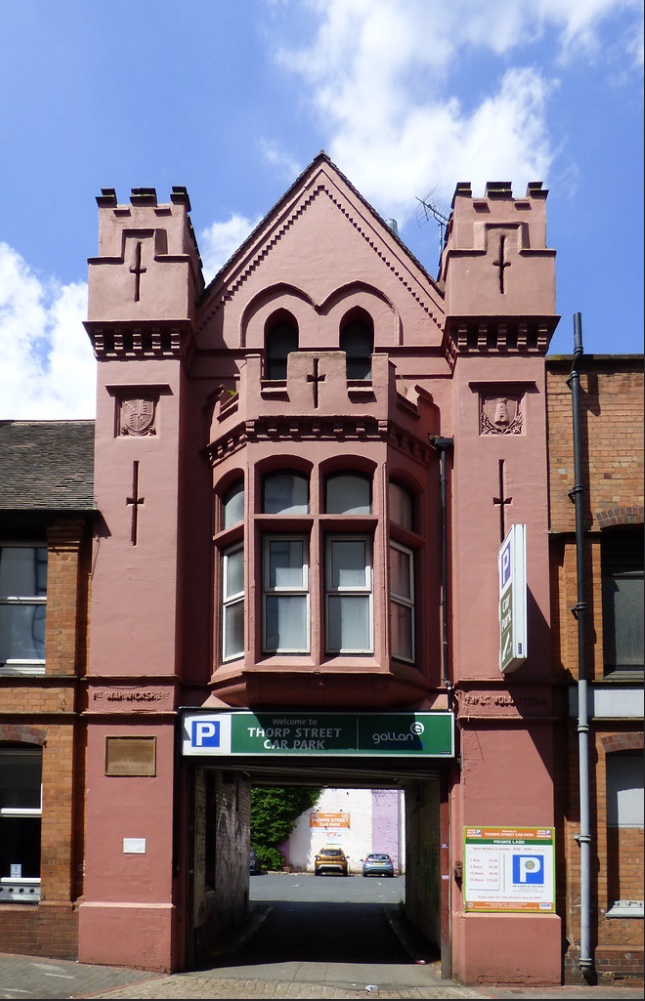
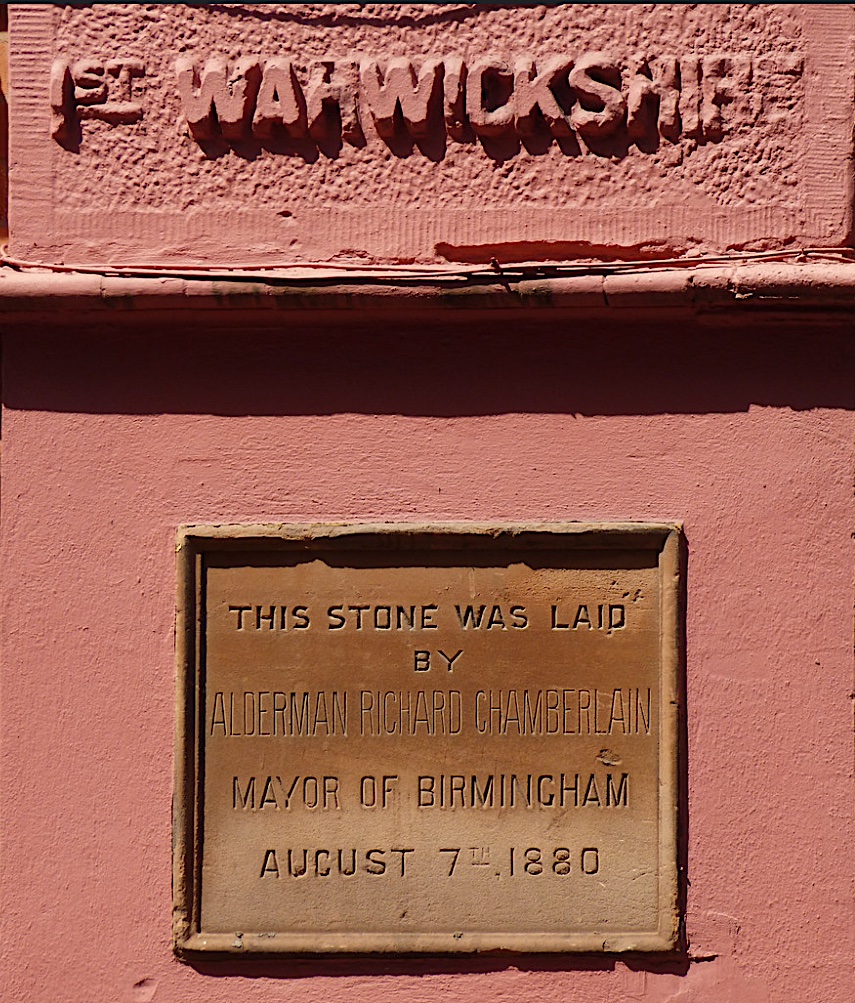
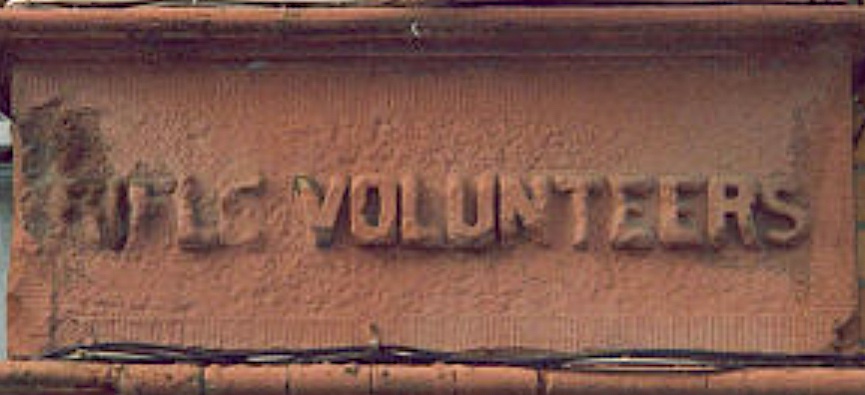
Following a re-organisation in the Royal Artillery, 580 (The Royal Warwickshire Regiment) Light Anti-Aircraft Regiment Royal Artillery was formed at the Thorp Street drill hall in 1947 & following a further amalgamation, 442 Light Anti-Aircraft Regiment, Royal Artillery was formed there in 1955. The regiment was broken up in 1961 & the drill hall was subsequently decommissioned. The drill hall which covered about a third of an acre had its roof removed and this is now used as a car park with an entrance off Thorp Street. The former regiment administration building and concert hall which face the street are now used by local landlords as offices and restaurants.
If we go back to Hurst Street and turn to the left we pass The Maharaja Indian Restaurant and the Dixie Chicken fast food cafe.

 hurst-street.com