
George Jacob Holyoake – The voice of a Hurst Street resident from the 1820’s
“Before our door where I was born stood, on the opposite side, a considerable clump of well-grown trees, amid which was a hatters working shop. On the adjacent corner of Hurst Street stood the Fox Tavern, as it stands now; but then the sign had been newly painted by a one-armed, short, quick-stepping, nervous- faced, dapper artist; and a very wonderful fox it seemed to me . Below the Fox Tavern was a “Green”; at the bottom was a garden belonging to a house with a gateway, where one of my father’s sisters lived. The garden fence was not a dead wall, but a low, wood paling, through which children could see the flowers in the garden. From the edge of Inge Street the trees of the parsonage ground made a small wood before us, and apparently in their midst , but really beyond them, arose the spire of the “Old Church”, as we called St Martins. On summer afternoons and moonlight nights the church spire, rising above the nestling trees, presented an aspect of a verdant village church in the midst of a busy workshop town. Down through the “Green” the way led to Lady Well Walk, where more gardens lay, and the well was wide, clear and deep.”
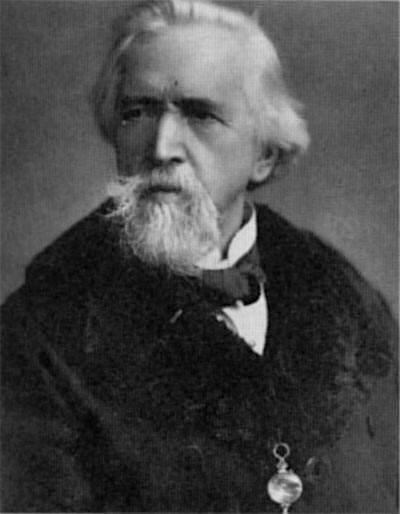
These word s were spoken by George Jacob Holyoake (13 April 1817– 22 January 1906) describing , after a lapse of sixty years, the street he grew up in. George’s house was situated on the site of the Hippodrome Theatre on the corner of Hurst Street and Inge Street.
George Jacob Holyoake was born in Birmingham where his father worked in the metal trade and his mother a button maker. In later life he became a Socialist and a newspaper editor. In 1842, Holyoake became one of the last persons convicted for blasphemy in a public place whilst giving a lecture. Holyoake’s later years were mainly devoted to the working-class Co-operative Movement. Throughout his life he retained his disbelief in God preferring the term “secularism” to “atheism”. He then adopted the term “agnostic”.

George Holyoake remembered the area before it had the “grime of smoke, of decay and comfortlessness about it, then it was fresh and bright, where folks strolled through the green to Lady Well Walk”. By the late 1800’s the well became polluted and was closed and was hidden down a alley and a dirty passage. “No longer was it approached through a pretty glen, rather than an alley appeared like the entrance to a coal pit.”

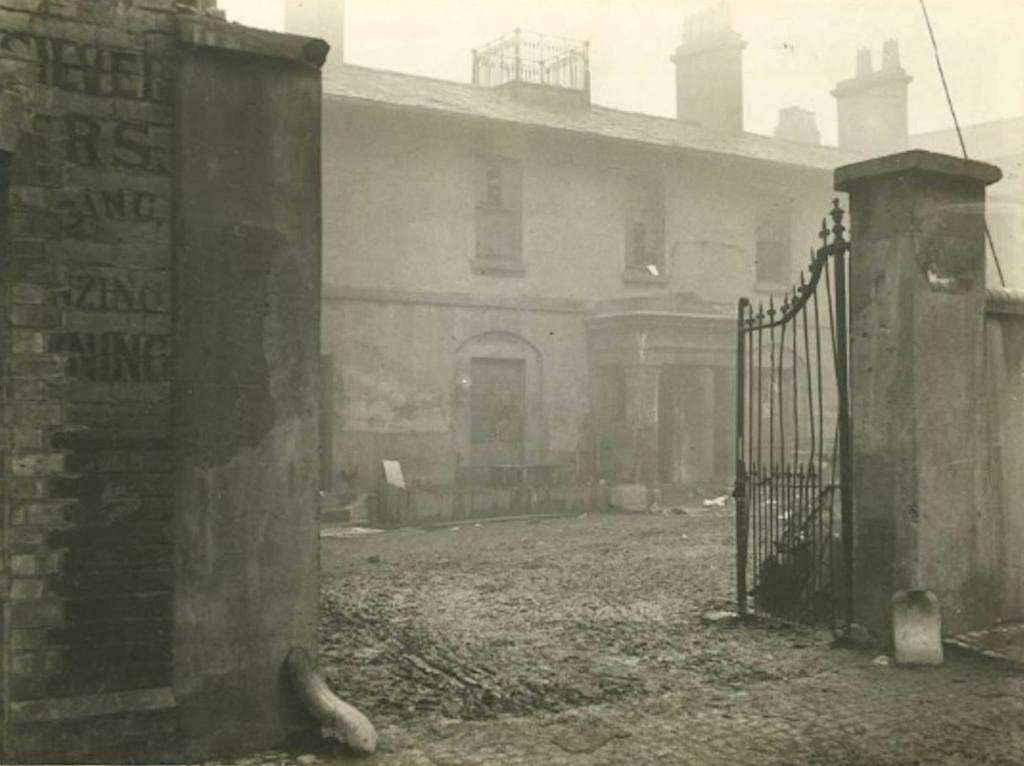
The Walk starts at the Birmingham Hippodrome – click the next button

 hurst-street.com